





Cancer Diagnosis and Treatments

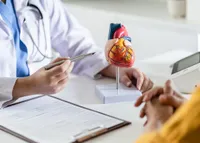
Hearing the word cancer is hard. What helps is a clear plan and a team you trust. Doctors start with simple steps, like a physical exam and lab tests, for cancer diagnosis. They may add imaging to see inside the body. A biopsy can confirm what the cells are doing. Treatment is personal. It can include surgery, chemotherapy, radiation, targeted drugs, immunotherapy, hormone therapy, or a bone marrow transplant. Sometimes a clinical trial is a good choice. The goal is to remove or control the disease and protect your quality of life. Good teams explain every option in plain language and walk with you through each step.
Methods for Cancer Diagnosis
Your doctor may use one or more of the following methods to diagnose cancer:
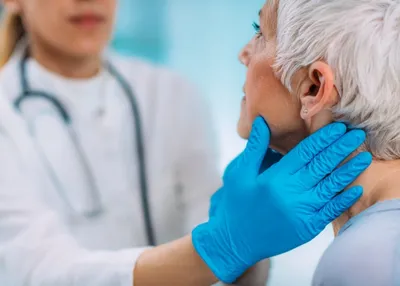
Physical examination: Your doctor may feel areas of your body for lumps that could be cancerous. During the exam, they may also notice changes that can point to cancer, such as changes in skin color or enlargement of an organ. Laboratory tests: Urine and blood tests may help your doctor identify abnormalities that can be caused by cancer. A complete blood count, for example, may reveal an unusual number or type of white blood cells in people with cancer.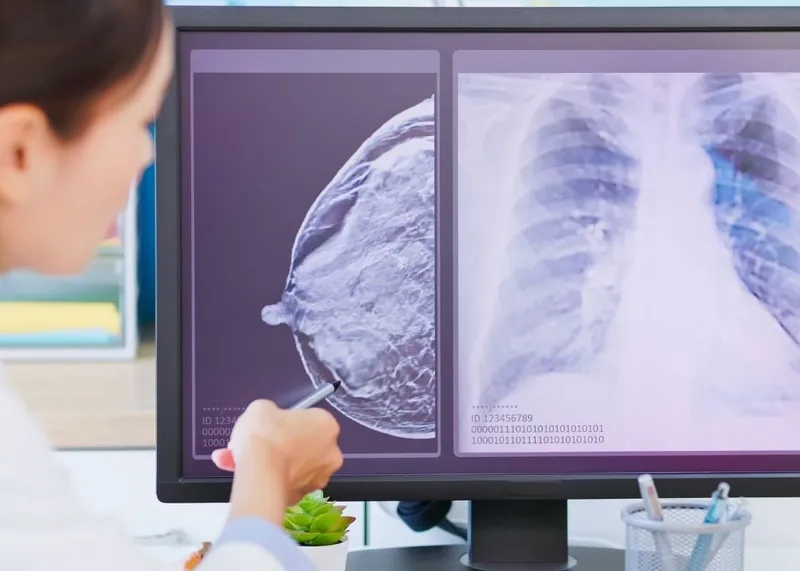 Imaging tests: Noninvasive imaging tests help your doctor examine your bones and internal organs. A computerized tomography (CT) scan, ultrasound, positron emission tomography (PET) scan, magnetic resonance imaging (MRI), bone scan, and X-ray are some of the imaging tests used to diagnose cancer.
Biopsy: During a biopsy, your doctor collects a tissue sample for laboratory testing. A sample can be collected in a variety of ways, and the best method depends on the type of cancer and its stage. In many cases, a biopsy is the only way to clearly diagnose cancer.
Imaging tests: Noninvasive imaging tests help your doctor examine your bones and internal organs. A computerized tomography (CT) scan, ultrasound, positron emission tomography (PET) scan, magnetic resonance imaging (MRI), bone scan, and X-ray are some of the imaging tests used to diagnose cancer.
Biopsy: During a biopsy, your doctor collects a tissue sample for laboratory testing. A sample can be collected in a variety of ways, and the best method depends on the type of cancer and its stage. In many cases, a biopsy is the only way to clearly diagnose cancer.
In the laboratory, doctors examine cell samples under a microscope. Normal cells look uniform, with similar sizes and an orderly arrangement. Cancer cells look less orderly, with varying sizes and no clear organization.
Cancer Treatment Options

Many cancer treatments are available. Your options depend on several factors, including the type of your cancer, your overall health, and your preferences. Together with your doctor, you can weigh the benefits and risks of each treatment. The aim of treatment is to remove the cancer, or as much of it as possible.
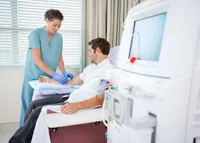
Chemotherapy uses drugs to kill cancer cells. Radiation therapy uses high-powered energy beams, such as X-rays and protons, to destroy cancer cells. Radiation treatment can be delivered from a machine outside your body or from a source placed inside your body. Bone marrow transplant: Bone marrow is the material inside your bones that makes blood cells. A bone marrow transplant can use your own cells or cells from a donor. It allows your doctor to use higher doses of chemotherapy to treat your cancer, and it can also replace diseased bone marrow.
Immunotherapy, also called biological therapy, uses your body's immune system to fight cancer. Cancer can survive unchecked in your body when your immune system does not recognize it as an intruder.
Hormone therapy: Some types of cancer are fueled by your body's hormones. Breast cancer and prostate cancer are two examples.
Targeted drug therapy focuses on specific abnormalities within cancer cells that allow them to survive.
Clinical trials are studies that investigate new ways of treating cancer. Thousands of clinical trials are currently under way.
Why Choose Istanbul for Cancer Diagnosis and Care
Istanbul brings skilled specialists and modern technology together in one place. Many hospitals hold international accreditations, and multidisciplinary tumor boards review complex cases. Imaging and pathology services are fast, and second opinions are easy to arrange. Prices are clear and often more affordable than in many countries. English-speaking coordinators help with appointments, transfers, hotels, and translations, and secure portals let you share reports with your doctor at home. Follow-ups can continue online after you return.
Supportive care matters too. Nutrition advice, pain control, and psycho-oncology support are common parts of care, and the city is easy to reach and simple to get around, which keeps the practical side of a treatment trip manageable.