







Hospitals in Istanbul: How to Choose and What to Expect

Istanbul is Türkiye’s largest medical hub, with private hospital groups, university centers, and specialty clinics on both the European and Asian sides. Most large hospitals run international patient desks with interpreters, written quotes, and airport transfers. This guide explains how hospitals in Istanbul work, how to choose one, what admission feels like, and how to handle money, emergencies, and aftercare.
Why Istanbul Works So Well for Care
Big city, big medical ecosystem
The city has a dense network of private hospitals, university centers, and specialty clinics, and that scale matters. It means faster scheduling, 24/7 emergency departments, on-site imaging and labs, and teams that do your procedure often, not once in a while.
Easy to reach, easy to move
The city’s main gateway, Istanbul Airport (IST), moves tens of millions of passengers a year and keeps adding routes. For patients this translates into fewer connections, simpler baggage plans, and more flexibility for companions. From the airport you have metro links, taxis, and pre-arranged transfers; many hospitals in Istanbul will schedule a pickup if you ask.
International patient services are built-in
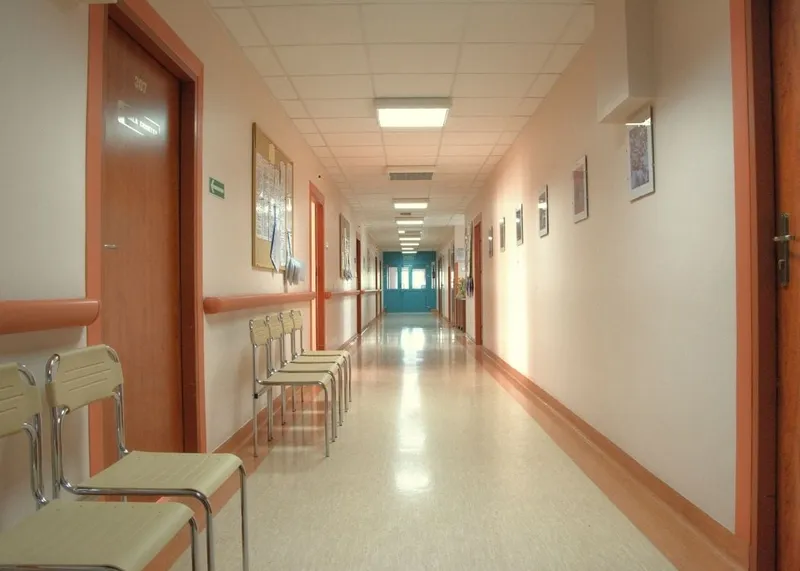
Large hospitals in Istanbul run international patient desks with coordinators, interpreters, and case managers. They help with quotes, letters for insurers, airport transfers, and follow-up plans. Türkiye also operates a national 24/7 International Patient Assistance line you can call for guidance and language support if you need an official hand along the way.
Types of Hospitals in Istanbul
Private hospitals
These are the first choice for most international patients. Think modern operating rooms, private rooms, flexible scheduling, and English-speaking staff. Many are part of well-known groups with multiple campuses across the city. Some hold international accreditation (more on how to verify that below).
University and training hospitals
Istanbul’s universities run major teaching centers known for complex cases and subspecialties. Wait times can be longer, but expertise is deep. Some have dedicated international offices and private wings for paying patients.

Public hospitals
These handle a huge volume of local care and emergencies. As a visitor you can still be seen, especially for urgent issues, but you’ll usually prefer private hospitals for speed, language, and comfort. In any emergency in Türkiye, call 112.
How to Choose a Hospital (Without Stress)
1) Start with safety signals
Look up current status in the Joint Commission International (JCI) directory. Accreditation doesn’t promise a certain result, but it does tell you a facility is audited against global standards. If a hospital isn’t JCI-accredited, that’s not a deal-breaker. Many excellent centers aren’t. It’s still a useful filter when you’re browsing.
2) Match the hospital to your procedure
Ask, “How many cases like mine do you do each year?” Smoother pathways usually live in higher-volume centers. For example, if you’re coming for IVF, bariatrics, orthopedic joint replacement, or a complex ENT case, choose a unit that lives and breathes that service.
3) Ask for a written plan and a real quote
Before you fly, request a pro forma listing everything: surgeon fees, anesthesia, operating room, implants (if any), imaging, lab tests, hospital nights, medications, and follow-up. Also ask: “What happens if I need an extra night or ICU? What is refundable if my doctor delays for safety?” Good teams answer in writing.
4) Verify language and aftercare
Make sure someone on your care team can speak your language (or provides an interpreter) every day. Confirm how follow-up works once you go home: phone, WhatsApp, email, video visits? Ask who signs your fit-to-fly letter and who you call if something worries you in the first month.
Money & Insurance (What Most People Ask)
Travel insurance is essential
Bring travel medical insurance with strong medical and evacuation limits. Cards like EHIC/GHIC don’t work in Türkiye. Some hospitals in Istanbul can seek a guarantee of payment from your insurer; others will ask you to pay and claim. If you’re traveling for a planned procedure, a standard travel policy usually doesn’t cover it; consider a separate “complications” policy if that’s important to you.

Direct billing vs. pay-and-claim
Ask the hospital in advance if they can bill your insurer directly. If not, be ready to pay by card and send the itemized invoice (fatura) and reports to your insurer later. Keep every document. If your insurer offers a letter of guarantee, email it to the hospital’s international desk before admission.
What the Front Desk Experience Feels Like
Admissions
Bring your passport, insurance card (if any), and medical letters. You’ll sign consent forms, confirm your plan, and meet your team. For surgeries, expect pre-op bloodwork and imaging on site. For outpatient visits, clinics often combine same-day consult + tests to save you time.
Rooms & visitors
Private rooms usually include a sleeper chair for one companion, a mini-fridge, and a bathroom. Visiting policies vary; your coordinator will explain quiet hours and mask rules if needed.

Discharge & records
You’ll receive a discharge letter (ask for English), medication list with doses and stop dates, imaging on a link/USB, and follow-up dates. Photograph every page as a backup before you leave the ward. If you’re a longer-term resident in Türkiye, you can also manage your records through the national digital health portal.
Emergency Care: The “Just in Case” Section
Dial 112 anywhere in Türkiye
That’s the emergency number for ambulance and urgent help. In a real emergency, go to the nearest capable hospital first, then loop your insurer or your chosen private hospital into the plan. Keep your medications and allergies in your phone’s lock-screen notes.
Specialties That Bring People to Istanbul
Heart & stroke centers
Large hospitals in Istanbul run 24/7 cath labs and certified stroke pathways with rapid imaging. If you or a family member is at risk, save the international desk number of a hospital near your hotel before you fly.
Oncology
Multidisciplinary boards, molecular testing, day-case chemotherapy units, and access to modern radiotherapy. If you’re seeking second opinions, ask whether the hospital can review your pathology slides remotely before you travel.

Orthopedics & sports medicine
High volumes in arthroscopy, ACL, shoulder repair, and joint replacement. Look for centers that integrate prehab and post-op physiotherapy under one roof.
Bariatric and metabolic surgery
Programs emphasize education, nutrition, and structured follow-up. Confirm your long-term vitamin plan and lab schedule, and agree on remote check-ins before you book flights.
Women’s health & IVF
Busy IVF labs, fertility preservation, and gynecologic surgery are well established in Istanbul. Clinics will explain Türkiye’s legal framework up front so you know what is permitted and what isn’t.

Eye & ENT
Refractive surgery, cataracts, and sinus/ear procedures are popular with travelers due to short recovery windows. Ask for corneal maps and a realistic vision plan if you’re considering laser eye surgery.
Your Trip Checklist
Before you fly
- Buy travel medical insurance with evacuation cover
- Save your hospital’s international desk number and your insurer’s 24/7 line
- Pack medication lists, past reports, and allergy notes
- Arrange airport transfers to reduce stress on arrival
- Book a hotel within a short ride of your hospital for the first days; ask your clinic about partner hotels and patient rates

Going home
- Carry your discharge letter and images in your hand luggage
- Follow the medicine schedule exactly; ask before you stop anything
- Do scheduled labs and tele-visits on time
- Call your team if anything feels wrong. Small questions are good questions
Red Flags (When to Pause)
- No written quote, no consent forms, or pressure to decide quickly
- Vague answers about the surgeon’s name or experience
- Unclear what happens in emergencies, or no after-hours contact
- Prices that look too good to be true and no brand names for implants/devices

Bottom Line
Istanbul makes medical travel practical. Big hospitals, deep benches of specialists, real international support, and one of the world’s most connected airports all work in your favor. Focus on experience, documentation, and aftercare. Keep your schedule light, enjoy the city in small bites, and let a well-organized team do what they do best.
This post shares general information, not medical advice. Always confirm details with your doctor and chosen hospital.
References
- USHAŞ (Türkiye International Health Services). “Health Tourism Data” - 2024 totals and 2025 Q2 results.
- iGA Istanbul Airport (official). “About Us” - 2024 passenger total (80.71 million) and operations.
- AeroTime. “Istanbul Airport becomes the world’s most connected airport” (Cirium connectivity award coverage, 2025).
- Joint Commission International (JCI). “Find Accredited International Organizations” - public directory to verify current accreditation status.
- HealthTürkiye (official portal). Homepage and Support Services, including 24/7 International Patient Assistance line (+90 850 288 38 38).
- Ministry of Health: Health Tourism Department note confirming the International Patient Assistance number.
- UK FCDO Travel Advice (Turkey) - Emergency medical number 112; EHIC/GHIC not valid in Türkiye.
- Government of Canada Travel Advice (Türkiye) - “Immediate cash payment is often required”; dial 112 for emergencies.