




Medical Aesthetics in Istanbul: Botox, Fillers & Lasers
Medical aesthetic procedures improve your appearance without invasive surgery. In Istanbul, the most requested treatments are Botox injections, dermal fillers, and laser therapy, with Botox starting at around $150 per treated area and laser hair removal at about $50 per session. These interventions are generally minimally invasive or entirely non-invasive, often allowing patients to resume their regular activities shortly after the procedure. Dermatologists, cosmetic surgeons, or skilled medical professionals, such as nurses or physician assistants specializing in non-surgical cosmetic enhancements, frequently perform these treatments.
Why Choose Istanbul for Medical Aesthetics?
Turkey has established itself as a prominent global center for medical aesthetics, offering top-tier healthcare facilities and highly skilled medical professionals. Many clinics and hospitals are equipped with state-of-the-art technology and adhere to international care standards. Istanbul's location at the crossroads of Europe and Asia, with easy access via major international airports, makes it a convenient destination for patients from both continents.
Clinics in Istanbul also tend to offer a holistic experience for international patients: multilingual healthcare staff, assistance with travel arrangements, accommodation options, and post-treatment care. This comprehensive approach supports patients throughout their healthcare journey and has contributed to the country's growing reputation in global health tourism. Among the many treatments available, Botox injections, dermal fillers, and laser procedures are the most chosen in Istanbul.
How Much Do Medical Aesthetic Treatments Cost in Istanbul?
Medical aesthetic procedures in Turkey are often more affordable than in many Western countries, and this cost advantage comes without compromising on quality. Prices in Istanbul vary depending on factors such as the specific clinic, practitioner expertise, and treatment type; currency exchange rates and inflation can also influence costs. Botox injections for cosmetic use range from $150 to $300 per treated area, depending on the number of units and treated areas. Dermal filler costs vary from $200 to over $600 per syringe.Prices for laser hair removal typically start at approximately $50 to $100 per session for smaller areas such as the upper lip or underarms. For more extensive regions like the legs or back, the cost can rise to a range of $100 to $300 or higher per session. The expense hinges on factors such as the specific type of laser employed (e.g., CO2 laser, fractional laser), the size of the treated area, and the comprehensiveness of the procedure. Prices for fractional laser treatments may fall within the range of $200 to $800 per session, while more extensive laser resurfacing interventions can reach several thousand dollars.
Comparatively, prices for these treatments in European countries tend to be higher, primarily due to variations in the cost of living and healthcare systems. Exact costs depend on your treatment plan, so confirm current pricing directly with the clinic you choose.
Botox Injections
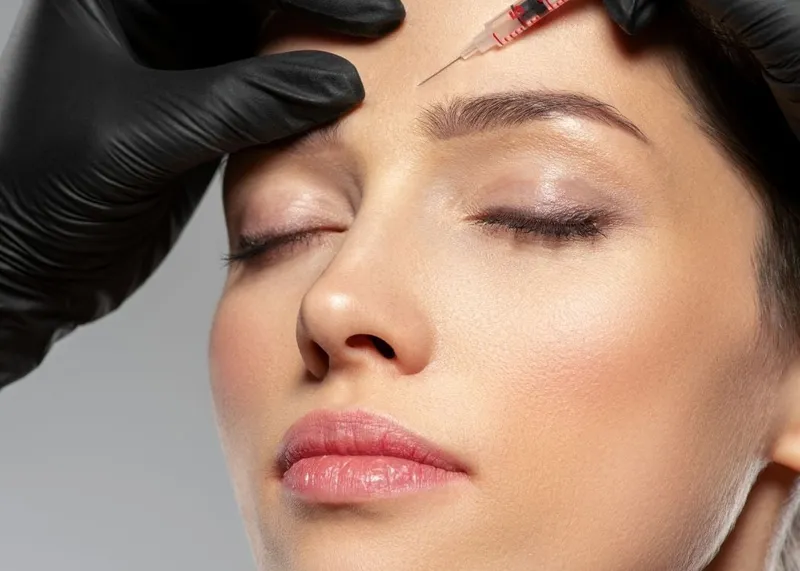
In everyday conversation, "botox" refers to the cosmetic application of botulinum toxin, a substance injected to temporarily alter muscle appearance. Its primary effects include diminishing neck bands, elevating the corners of the mouth, and smoothing out facial creases and wrinkles such as crow's feet, forehead lines, frown lines, and bunny lines.
How Does Botulinum Toxin Function?
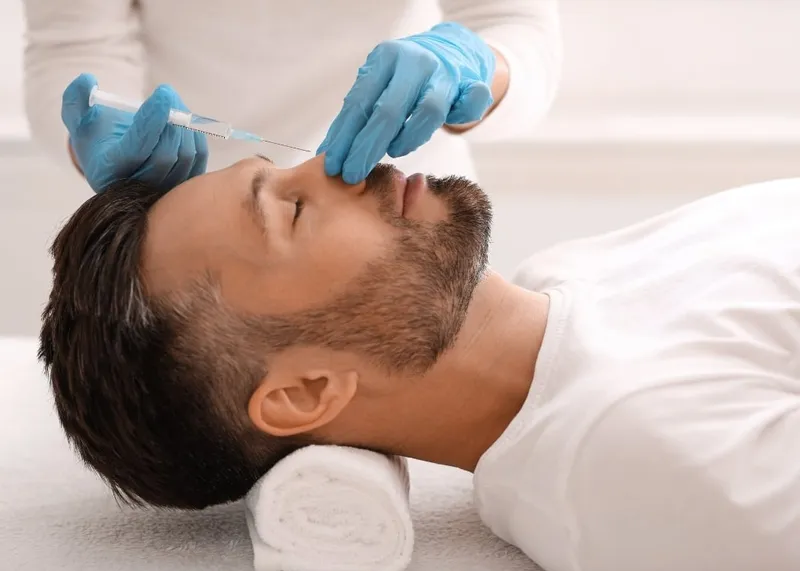
Facial muscles coordinate with facial nerves, and botulinum toxin disrupts this interaction. Botox affects the motor neurons responsible for muscle contractions. In simpler terms, when botulinum toxin is injected into your face, it hinders the connection between your muscles and nerves. Consequently, your muscles experience relaxation and softening.
What Is the Process of Botox Injection?
Anesthesia is typically not necessary before a botox injection. It's advisable to abstain from alcohol consumption for approximately one week after the injection. The injection procedure itself is brief, usually taking only a few minutes.In most instances, the full effects of botox become noticeable within three to seven days. Botox's impact generally lasts from three to four months. Apart from its cosmetic applications, botulinum toxin is also utilized for medical reasons. The Food and Drug Administration (FDA) has authorized its use in treating conditions such as eyelid spasms, excessive sweating, and migraines.
Who Should Avoid Botox?
There are specific criteria determining who should abstain from Botox injections. Individuals who are pregnant or breastfeeding should refrain from undergoing this procedure. If you are allergic to any component of Botox, it is imperative to avoid these injections.
Other situations where Botox should be avoided include having a skin infection or skin-related issues, neuromuscular conditions, or the use of particular medications. Hence, discussing your medical history with your healthcare provider before proceeding with Botox injections is of utmost importance.
Botox Application Areas
- Forehead lines that give a tired and aged appearance
- Lines between the brows that give the appearance of anger
- Wrinkles around the eyes (crow's feet)
- Improvement of fine lines on the upper lip
- Brow lifting, which raises the brows to the target place
- Wrinkle and band removal from the neck skin
Dermal Fillers
As human beings age, our bodies change, including a reduction in fat and thinning of the skin. These natural processes lead to visible alterations in our appearance, particularly in the skin. Fortunately, there are ways to address these effects of aging, with two popular options being Botox injections and dermal fillers.
Understanding Dermal Fillers
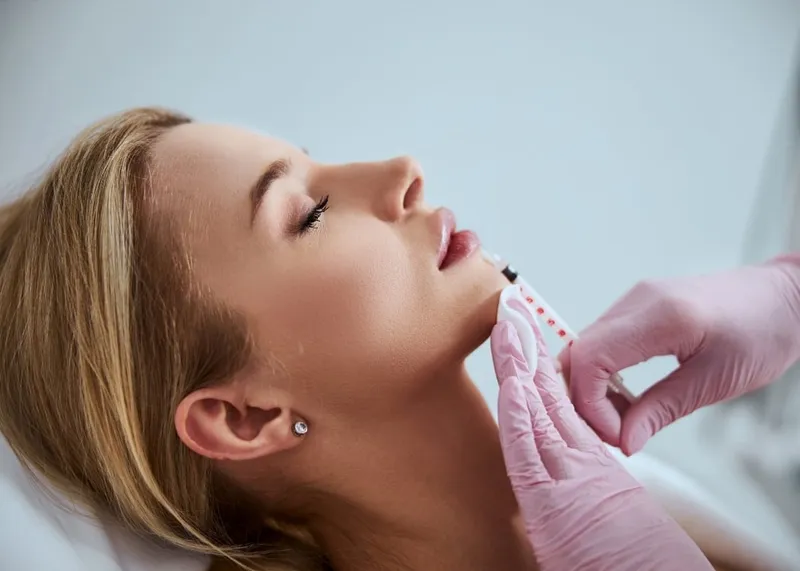
Dermal fillers are substances injected into the face to diminish facial lines and wrinkles, and restore volume. While aging is a primary factor in skin changes, other factors like sun exposure, lifestyle, and genetics also play a role.
The Procedure of Dermal Fillers
Dermal filler procedures involve the injection of natural or synthetic substances into specific areas of the face that require treatment. These filler materials aim to replace lost components like fat and protein in the skin. Some fillers can even stimulate collagen production to address skin deficiencies. Dermal fillers are particularly effective for static wrinkles, those visible even when facial muscles are at rest.Types of Dermal Fillers
Several types of dermal fillers are available, each with unique characteristics and thickness. The Food and Drug Administration (FDA)-approved options include hyaluronic acid, calcium hydroxylapatite, poly-L-lactic acid, and autologous fat. The choice of filler depends on factors such as age, individual needs, and desired outcomes.
Calcium Hydroxylapatite Fillers: Calcium Hydroxylapatite, naturally found in bones and resembling mineral compounds, is used as a cosmetic filler with the advantage of being animal-free, reducing the risk of allergic reactions. Polymethyl Methacrylate (PMMA) Fillers: PMMA acts as a semi-permanent filler with longer-lasting effects, particularly suitable for medium to deep facial lines and scar treatment, although it may take some time to produce visible results. Poly-L lactic Acid Fillers: Poly-L lactic acid aids the body in generating collagen, primarily employed to reduce the depth of facial wrinkles, with results lasting up to two years. Fat Injection (Autologous) Fillers: Autologous fat injections, requiring surgery, provide long-lasting effects as fat extracted from one's body is purified and injected into facial areas, maintaining results for many years. Collagen Fillers: Collagen, a natural protein in the human body, is used in fillers either as human collagen fillers or animal-derived bovine or porcine collagen fillers, with the potential for shorter-lasting results, necessitating more frequent injections for optimal outcomes.Dermal Fillers vs Botox: What's the Difference?
Dermal fillers, unlike Botox, consist of various substances used to enhance facial appearance. Botox, on the other hand, is primarily composed of botulinum toxin, which interferes with nerve-muscle interactions in the face. Therefore, precise dosing of the toxin is crucial to achieve the desired effects. This results in a temporary immobilization of facial muscles, reducing or eliminating wrinkles.
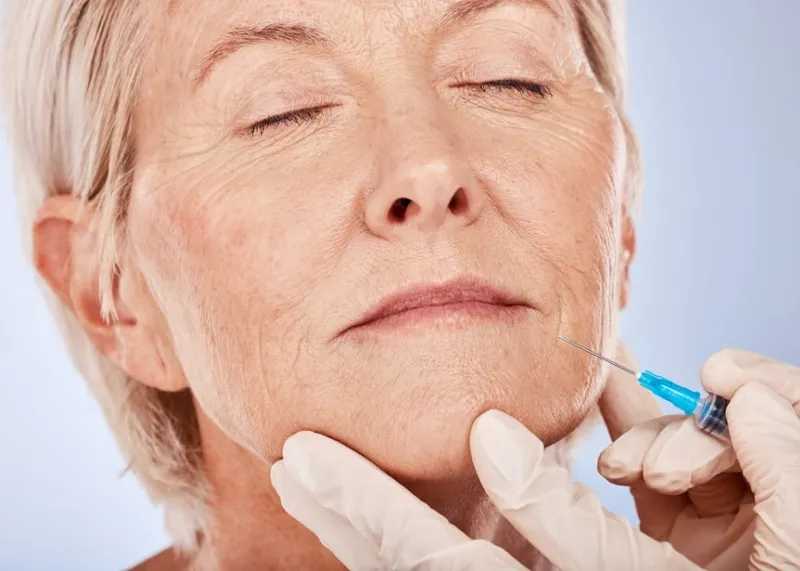
Unlike dermal fillers, which primarily target the skin, Botox infiltrates the underlying muscles. This versatility makes Botox suitable not only for cosmetic purposes but also for treating medical conditions like migraines and excessive sweating.
The effects of Botox typically last an average of 3 to 4 months, whereas the duration of dermal fillers can vary, ranging from 6 months to 2 years depending on the specific substance used.
Laser Procedures
Laser technology has transformed the field of dermatology and medical aesthetics with its diverse applications, including laser hair removal and laser skin resurfacing. These two procedures are among the most popular and effective treatments offered by dermatologists today.
Laser Skin Resurfacing
Laser skin resurfacing focuses on skin rejuvenation. It involves the use of lasers to remove damaged skin layers, stimulating collagen production and revealing smoother, healthier skin beneath. This technique is prized for its ability to reduce wrinkles, fine lines, scars, and sun damage while promoting a more youthful complexion.
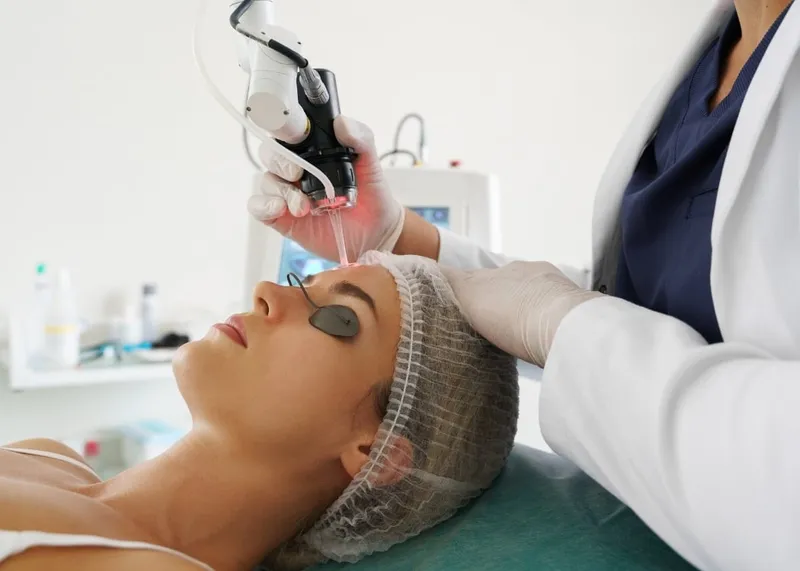 Skin resurfacing is done through different means including chemical peels, plasma energy, mechanical methods, and most importantly laser technology. Laser resurfacing stands out as an advanced skin rejuvenation technique with remarkable effectiveness. It excels in erasing fine lines and wrinkles, enhancing skin tightness, correcting discoloration issues, repairing damage caused by sun exposure, and achieving smoother skin texture. Beyond these benefits, laser resurfacing also addresses more profound skin concerns, including scars, acne scars, hyperpigmentation, and pigmentation irregularities.
The Erbium Yag laser is primarily designed to address superficial skin issues, such as minor wrinkles, as it doesn't penetrate deeply into the skin. This laser resurfacing treatment is relatively gentle compared to other laser procedures, resulting in a shorter recovery period.
Fraxel Laser offers two treatment modes: one targeting deeper wrinkles, scars, and acne scarring, and the other effectively addressing pigmentation issues, uneven skin tone, and superficial signs of aging. This laser treats only a fraction of tissue at a time, leaving surrounding tissue unaffected, which promotes quicker healing. Fraxel® treatment may not be suitable for individuals with skin types 4 to 6. CO2RE Laser is a Carbon Dioxide laser with four distinct treatment modes. It can address various concerns, ranging from reducing the appearance of pores on the skin's surface to working deep into the dermis to smooth acne scars. Whether you need a superficial or deep resurfacing treatment, CO2RE can assist in addressing your specific skin concerns.Laser Hair Removal
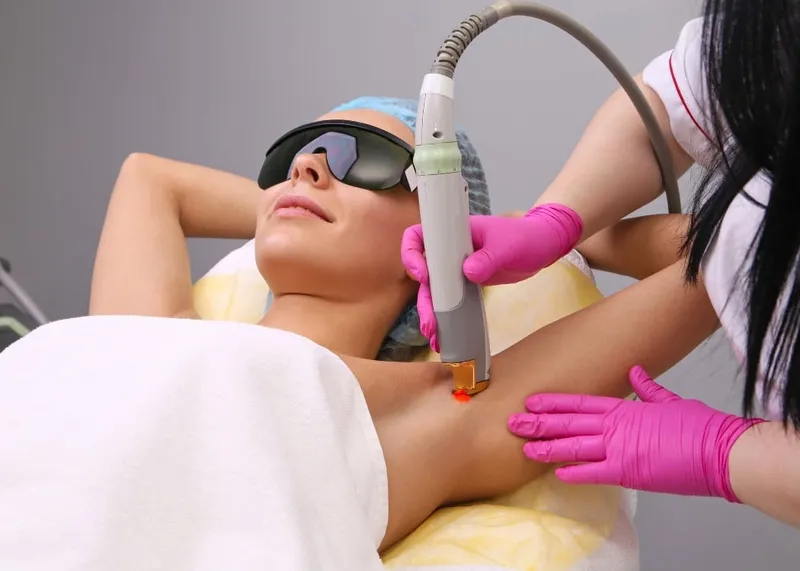
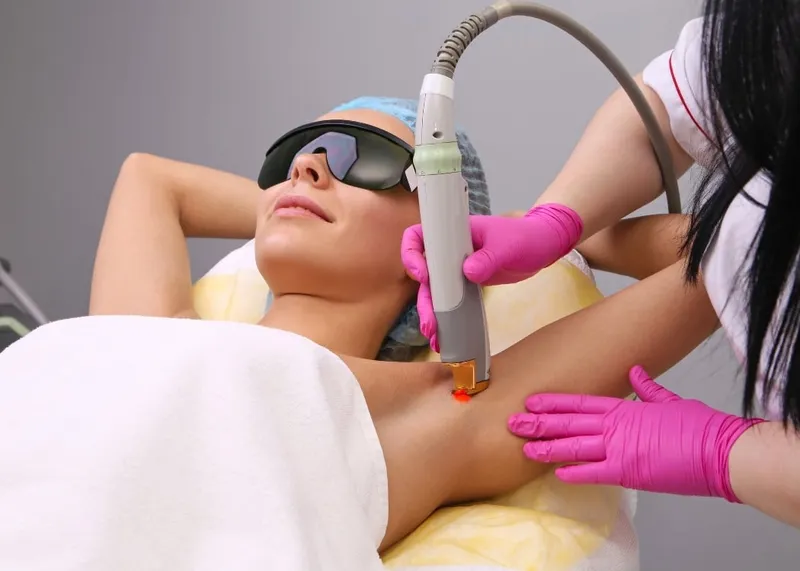
Laser hair removal is a highly sought-after cosmetic procedure that targets and eliminates unwanted hair with precision. It works by directing concentrated beams of light into hair follicles, disabling their ability to regrow hair. This treatment offers long-lasting results and is effective on various body areas, providing a convenient and efficient alternative to traditional hair removal methods.
What to Take into Consideration?
Before undergoing laser hair removal, there are several important considerations to keep in mind. First and foremost, it's essential to refrain from any hair removal methods that extract hair from the roots, such as waxing, tweezing, or using epilation devices, for at least one month before the laser treatment. Engaging in these activities can diminish the effectiveness of the laser treatment.
Additionally, it's advisable to minimize sun exposure and avoid direct sunlight on the treated area before the procedure. On the day of the laser treatment, the skin should be clean and free of makeup to ensure open pores and hair follicles. After the procedure, it's crucial to avoid using chemical products and exfoliating skincare products, and bronzer should not be applied to the face.
Number of Laser Hair Removal Sessions
The number of sessions required for laser hair removal can vary based on individual factors such as skin sensitivity, the specific area being treated, and the characteristics of the hair. Generally, the process typically involves 6 to 8 sessions. It's essential for individuals undergoing treatment to refrain from interfering with the treated area during this period to achieve the best results from the laser hair removal process.
Under-Eye Light Filling
Under-eye contusions, commonly referred to as under-eye bags or dark circles, can be a source of aesthetic concern for both men and women. The under-eye light-filling method offers a modern, non-surgical way to address this issue.
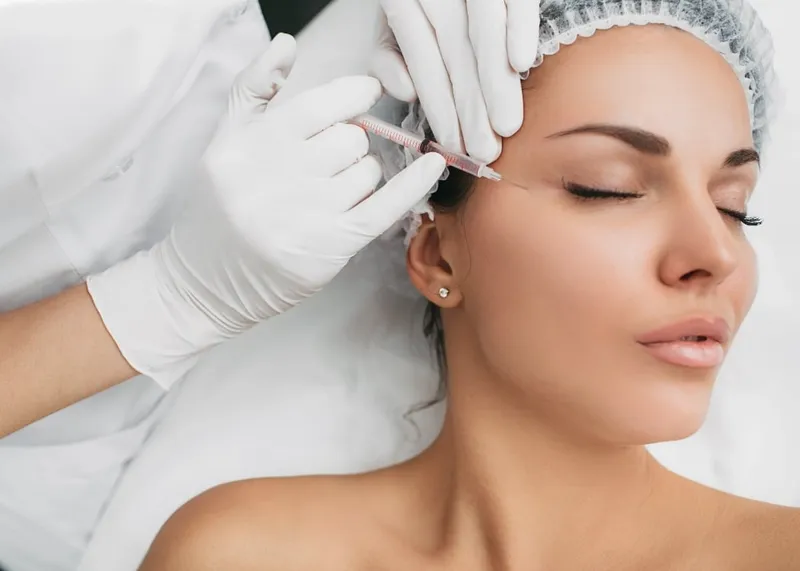 Dark circles beneath the eyes are a cosmetic concern that many people want to eliminate. The appearance of hollows, also known as tear troughs, between the eyes and cheeks can be quite bothersome. Under-eye light filling was developed to revitalize this delicate area.
This technique involves the precise injection of dermal fillers containing glycolic acid into the tear trough region, effectively restoring lost volume. As a result, under-eye bags, dark circles, and deep tear troughs can be corrected. Additionally, dermal fillers provide much-needed hydration to the under-eye area, improve skin quality, and stimulate collagen synthesis, resulting in a refreshed and rejuvenated appearance.
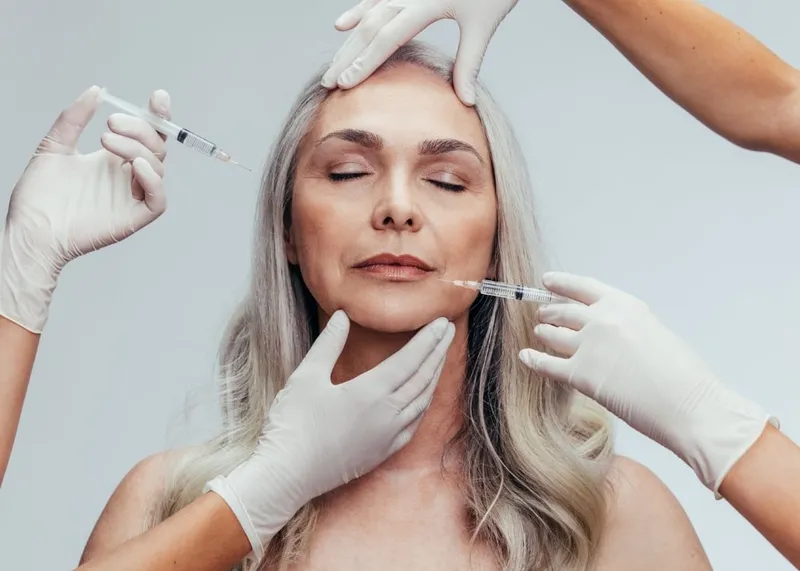
Turkey has firmly established itself as a global leader in the realm of medical aesthetics, offering a comprehensive range of non-surgical and minimally invasive procedures to enhance one's appearance. Botox injections, dermal fillers, laser hair removal, and laser skin resurfacing are among the most sought-after treatments in the vibrant city of Istanbul. If you are considering a treatment, compare a few licensed clinics and ask each for a detailed treatment plan and current pricing before you book.
This article is not authored by a medical professional; however, it provides a concise overview of various medical procedures sourced from academic papers within the field of medicine. While it does not substitute for expert medical advice, it offers a valuable summary of the information found in scholarly literature, making it a useful resource for those seeking a general understanding of these medical procedures. It is essential to consult with qualified healthcare professionals for in-depth and personalized medical guidance.