









Organ Transplantation in Istanbul, Turkey
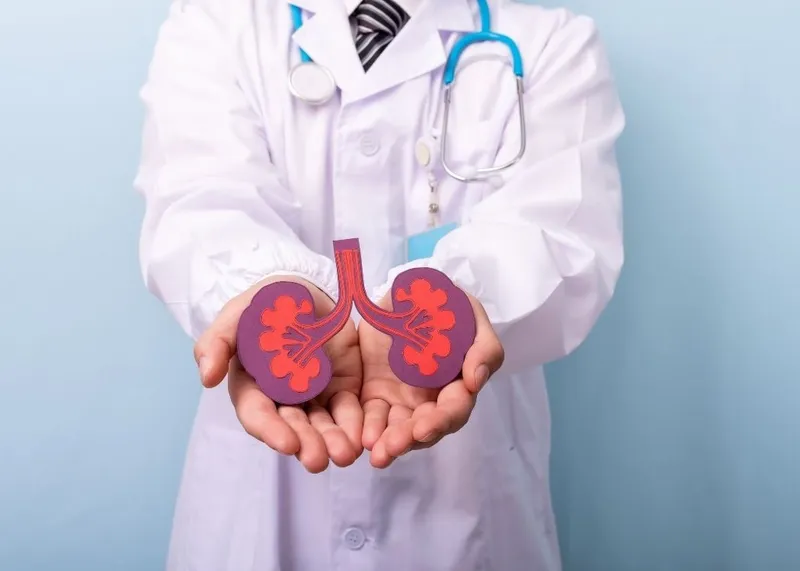
Organ transplantation in Istanbul covers kidney, liver, heart, cornea, and pancreas procedures, performed by transplant teams whose experience dates back to the 1970s. Certain hospitals have achieved success rates of up to 98% in these surgeries, and the average cost of a kidney transplant in Istanbul is around $20,000, compared to over $200,000 in the United States. Organs come from living donors or from deceased individuals who chose to donate; in Turkey, doctors can accept organs from living relatives up to the fourth degree of relation. This page explains Istanbul's strengths as a transplant destination, the main types of transplantation, and the ethical and legal framework that governs the process in Turkey.
Istanbul's Strengths in Organ Transplantation
Istanbul, Turkey, has emerged as a prominent hub for organ transplantation, offering numerous advantages to patients in search of transplant procedures. It boasts a cadre of highly experienced transplant surgeons and medical teams who specialize in various organ transplantation types, with many having received training in prestigious international medical institutions. Istanbul's modern medical facilities and hospitals adhere to international standards, housing transplant units equipped with advanced technology. Shorter waiting times for organ transplantation are often available in Istanbul, a crucial factor for patients in need of urgent transplants, contributing to better outcomes. Additionally, Turkish transplant centers in Istanbul have garnered high success rates across kidney, liver, and heart transplants, a testament to the expertise of medical teams and advanced healthcare infrastructure.
The process of organ transplantation is a challenging and lengthy endeavor, but it is a daily practice carried out by skilled doctors who are plentiful in the Republic of Turkey. Turkey has been actively involved in organ transplantation since the 1970s, and this experience has significantly enhanced the expertise of its medical professionals. Commonly transplanted organs include kidneys, livers, corneas, and pancreas. Certain hospitals have achieved remarkable success rates of up to 98% in these critical and high-stakes surgeries.
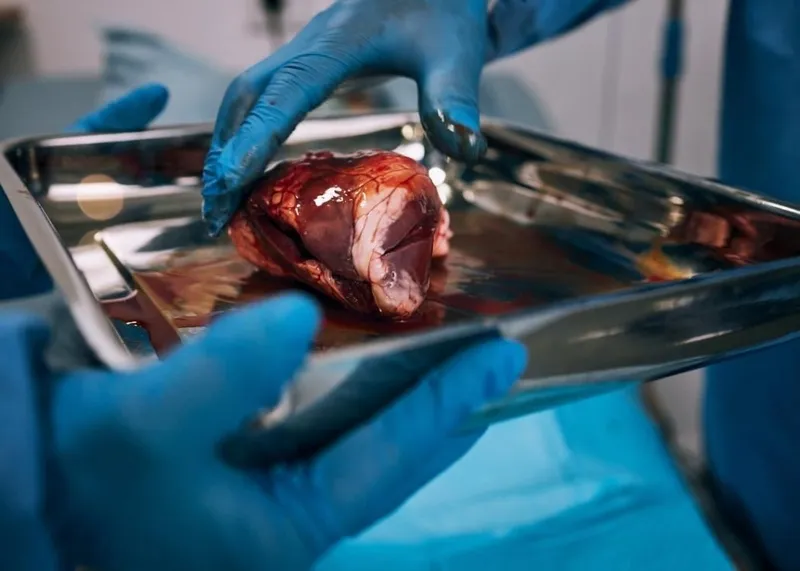
In Turkey, doctors can accept organs from living relatives up to the fourth degree of relation, as well as from deceased individuals who have generously donated their organs to hospitals. Organ transplantation centers, along with the Turkish Transplant Foundation, collaborate with hospital transplantation units to facilitate this process. Potential donors are encouraged to visit these centers to volunteer, and their consent is typically recorded in the presence of two witnesses. Following this procedure, donors patiently wait for a suitable recipient to bring new life through their generosity. While the waiting list is extensive and the number of donors remains somewhat limited, it's noteworthy that a single hospital in Turkey managed to perform almost 10,000 organ transplants yearly, indicating a growing trend in both the number of surgeries and organ donors.
Accessibility and Supportive Services of Organ Transplantation
Istanbul's prominence in organ transplantation extends further with its affordability, often making it a cost-effective option compared to Western countries, particularly beneficial for patients without extensive health insurance coverage. Multilingual medical staff, including proficiency in English, facilitate communication, offering comfort to international patients unfamiliar with the Turkish language. Here are some specific examples of the accessibility and supportive services offered by organ transplant centers in Istanbul:
Affordability: Organ transplantation in Istanbul is often significantly more affordable than in Western countries. For example, the average cost of a kidney transplant in Istanbul is around $20,000, compared to over $200,000 in the United States. Although it is impossible to give certain numbers for the sake of this article, the costs are always more affordable than in any other Western country. Financial assistance programs: Many hospitals in Istanbul offer financial assistance programs to help patients cover the cost of organ transplantation surgery. Multilingual medical staff: Istanbul's hospitals employ multilingual medical staff, including English speakers, to facilitate communication with international patients. This helps to ensure that patients understand their medical care and feel comfortable asking questions. Other supportive services: In addition to the above, many organ transplant centers in Istanbul offer other supportive services to international patients, such as:- Transportation assistance to and from the hospital
- Accommodation assistance
- Language translation services
- Cultural support services
Overall, Istanbul offers a number of accessibility and supportive services to international patients seeking organ transplantation. These services make it possible for patients from all over the world to receive high-quality medical care at an affordable price.
What is the Difference Between Organ Donation and Organ Transplantation?
Organ donation and organ transplantation are closely related yet distinct components of the process involving the transfer of organs between individuals. Organ donation encompasses the voluntary act of offering one's organs or tissues, either after death or in certain cases, such as kidney or liver donations from living donors. Donors can be living or deceased, and the retrieval of organs adheres to established medical and ethical guidelines.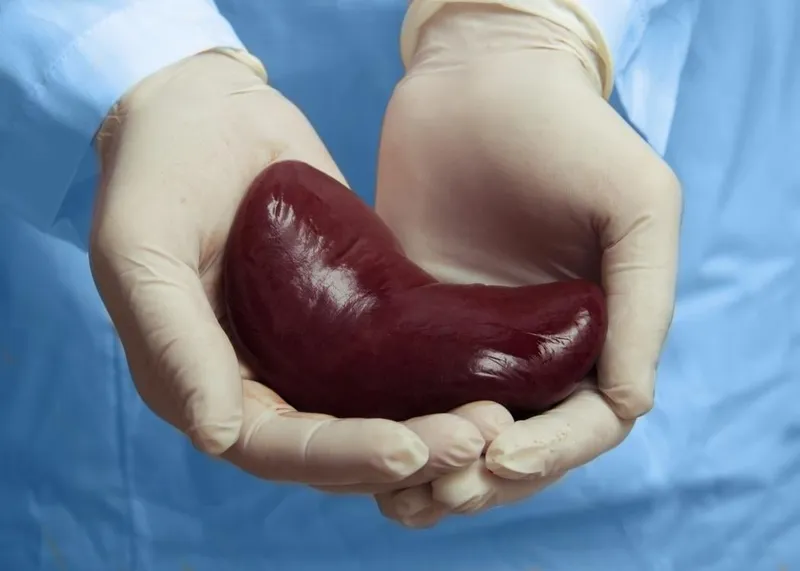
On the other hand, organ transplantation refers to the surgical procedure wherein an organ or tissue is extracted from a donor, whether living or deceased and surgically implanted into a recipient who requires the organ to replace a dysfunctional or damaged one. Organ transplantation is a complex and challenging procedure, but it can save lives and improve the quality of life for many people. There is a shortage of organ donors, so it is worth considering registering as an organ donor if you are able.
Types of Organ Transplantations
Organ transplantations can be broadly categorized into four primary groups based on the type of transplantable material. The first category encompasses Organ Transplants, where entire organs from a healthy donor are transplanted into recipients with damaged or failing organs. Common organ transplant procedures include heart, lung, liver, kidney, and pancreas transplants.
The second category involves Tissue Transplants, which focus on specific tissues rather than entire organs. Examples of tissue transplants include corneal transplants, which use corneas from the eyes, and skin grafts frequently employed in burn cases. Additionally, bone grafts are utilized in orthopedic surgeries to facilitate healing and repair.
In the realm of cellular therapies, Cell Transplants constitute the third category. This type of transplantation involves the transfer of specific cells or groups of cells to treat various diseases or conditions. Prominent examples encompass hematopoietic stem cell transplants for blood disorders, islet cell transplants used in diabetes management, and chondrocyte transplants employed in cartilage repair.
Lastly, the most complex category encompasses Limb Transplants, also known as Composite Tissue Transplants. In these intricate procedures, an entire limb, such as an arm or hand, is transplanted from a donor to a recipient. These transplants are highly complex, as they involve multiple types of tissues, including muscles, nerves, bones, and blood vessels, making them distinct from traditional organ or tissue transplants.
Ethical Framework in Organ Transplantation in Turkey
Ethics and regulations are pivotal components of the organ transplantation process in Turkey, mirroring the standards upheld by many nations to safeguard the equitable, safe, and ethical treatment of both donors and recipients. Key facets of the ethical and regulatory framework in Turkey encompass the procurement of organs from deceased donors and their fair allocation based on medical necessity rather than socioeconomic factors. Informed consent, a foundational ethical tenet, is diligently acquired from living donors and, in the case of deceased donors, from their families. Rigorous medical assessments and compatibility evaluations ensure the suitability and well-being of both donors and recipients.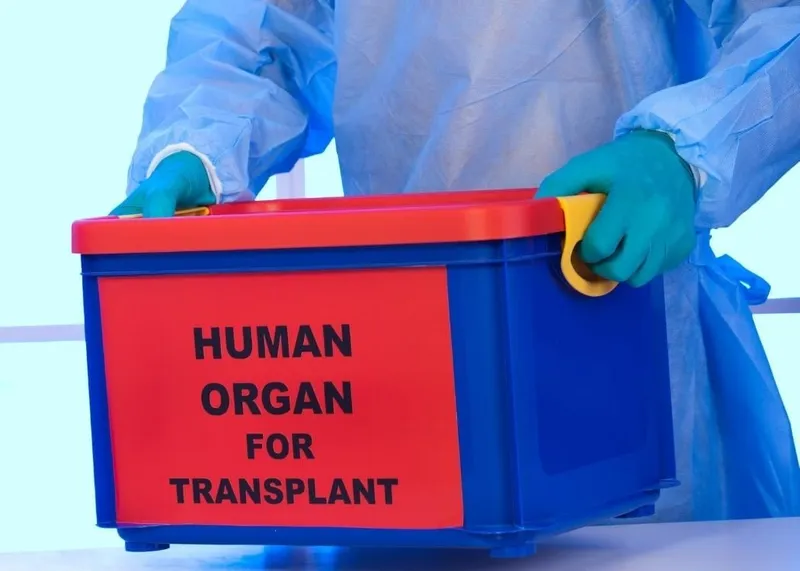 Ethical principles also dictate the criteria for organ allocation, considering factors like medical urgency and tissue compatibility, while privacy and confidentiality norms protect sensitive medical information and identities. Moreover, regulations in Turkey stipulate the conditions for living donation, emphasizing comprehensive donor evaluations and informed consent. Consent procedures for deceased donors often involve official channels, such as driver's licenses or donor registries, with additional consideration of family consent. Turkey's legal framework, including the Law on Organ and Tissue Transplantation (Law No. 2238), provides the necessary foundation for organ transplantation, and the nation maintains transplant coordination centers to oversee the process, adhering to both domestic and international ethical guidelines, including those established by the World Health Organization and the Declaration of Istanbul on Organ Trafficking and Transplant Tourism.
If you have questions about eligibility, costs, or planning for organ transplantation in Istanbul, you can request information through the form below.
If you are considering organ transplantation in Istanbul, contact an accredited transplant center directly to confirm your eligibility under Turkish law and to discuss the procedure with a qualified transplant specialist.