









Bariatric Surgery in Turkey: Types, Costs, and Recovery

Bariatric surgery covers a group of operations, most commonly sleeve gastrectomy, gastric bypass, and adjustable gastric banding, that help people with obesity lose weight when diet, exercise, and medication have not delivered lasting results. In Turkey, prices typically range from $2,500 to $9,000 depending on the procedure and the provider, a fraction of the cost in Western Europe or the USA.
Candidates are usually assessed with BMI (Body Mass Index), a numerical value calculated from a person's height and weight. In the BMI classification system, individuals with a BMI from 25 to 29.9 are classified as overweight, while a BMI of 30 or higher is classified as obese. According to the World Health Organization (WHO), obesity has nearly tripled since 1975: almost 2 billion adults are overweight, and of those, over 650 million are obese.
Obesity is a complex condition that goes beyond simple overeating. It is typically influenced by genetics, metabolism, hormones, psychosocial factors, and even potential disruptions in the central nervous system. These underlying causes are not well understood and vary from person to person, which is why traditional approaches such as dietary changes, exercise, and medication often yield limited success. Among the available methods, bariatric surgery has been demonstrated in numerous studies to be the most effective long-term solution for weight reduction, leading to improvements or even the complete resolution of associated health issues.
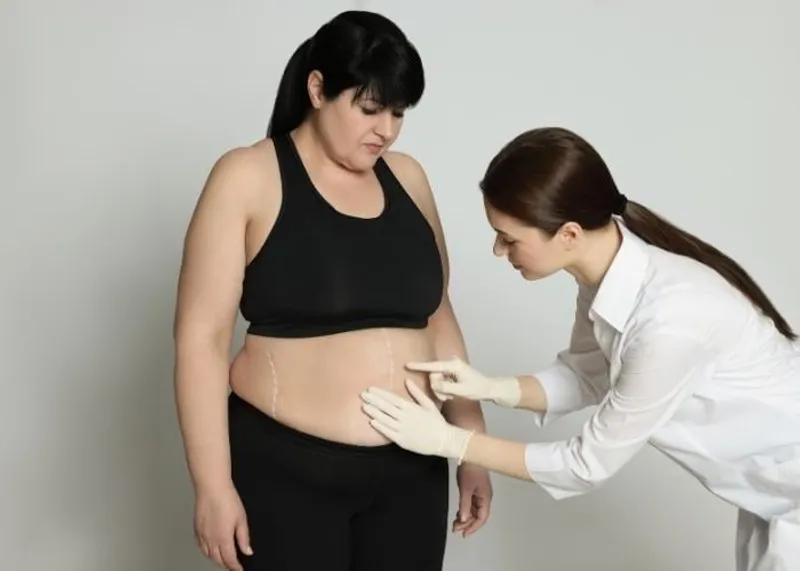
Parallel to the introduction of techniques that are more effective and carry a lower risk of complications, more and more people are choosing bariatric surgery. The number of bariatric operations has increased from fewer than 10,000 per year in 1998 to nearly 200,000 per year, and the number is still growing.
Why Choose Turkey for Bariatric Surgery?
Turkey has become a popular destination for bariatric surgery, and Istanbul in particular has grown into a center for health tourism: 70 percent of people coming to Turkey for bariatric surgery choose to have their operation in Istanbul. Several factors explain this.
High-quality healthcare facilities: Turkey has invested significantly in its healthcare infrastructure, with many modern and well-equipped hospitals and clinics. Many of these facilities are accredited and staffed by highly trained medical professionals. Experienced surgeons: Turkey has a pool of experienced bariatric surgeons who have performed a substantial number of weight-loss operations, many with training and certifications from reputable international organizations. An average professor-level surgeon in Turkey is likely to have performed more than 3,000 surgeries, while in most European countries this number is below 1,000. Cost-effectiveness: The overall cost of bariatric surgery in Turkey is often significantly lower than in Western countries, including the United States and parts of Europe. This extends beyond the surgical procedure itself to pre-operative and post-operative care.
No waiting lists: In many countries with publicly funded healthcare systems, there can be long waiting lists for bariatric surgery through the national health service. In Turkey, private hospitals and clinics often offer more immediate access to surgery, which matters for patients who want to proceed with their weight-loss journey promptly.
Medical tourism infrastructure: Turkey has developed a robust medical tourism industry, providing support services such as transportation, accommodation, and translators to international patients. This makes the process more accessible and less stressful for patients traveling from abroad.
Strategic location: Istanbul bridges Europe and Asia, and its well-connected airports make the city easily accessible from many countries.
Cost-effectiveness: The overall cost of bariatric surgery in Turkey is often significantly lower than in Western countries, including the United States and parts of Europe. This extends beyond the surgical procedure itself to pre-operative and post-operative care.
No waiting lists: In many countries with publicly funded healthcare systems, there can be long waiting lists for bariatric surgery through the national health service. In Turkey, private hospitals and clinics often offer more immediate access to surgery, which matters for patients who want to proceed with their weight-loss journey promptly.
Medical tourism infrastructure: Turkey has developed a robust medical tourism industry, providing support services such as transportation, accommodation, and translators to international patients. This makes the process more accessible and less stressful for patients traveling from abroad.
Strategic location: Istanbul bridges Europe and Asia, and its well-connected airports make the city easily accessible from many countries.
How Much Does Bariatric Surgery Cost in Turkey?
The cost of bariatric surgery in Turkey can be substantially lower than in many Western countries. Prices may range from $2,500 to $9,000, depending on the type of surgery and the provider. Prices go above $5,000 mainly in hospitals with 5-star, hotel-like luxury infrastructure. In comparison, the same procedures cost between €8,000 and €15,000 in Germany, between £6,000 and £15,000 in England, and between $15,000 and $35,000 in the USA.
Types of Bariatric Surgery
There are various surgical approaches, which can be categorized into three main groups: restrictive procedures, malabsorptive procedures, and a combination of both. Restrictive procedures limit a patient's food intake without directly interfering with digestion. In contrast, malabsorptive procedures aid weight loss by disrupting the digestion process, resulting in poor food digestion and absorption. Some purely malabsorptive surgeries are no longer recommended due to their potential to cause nutritional deficiencies. All these procedures aim to reduce calorie intake, and they can be performed either through open surgery or laparoscopic methods.
Each type of bariatric procedure comes with its own set of advantages, disadvantages, and risks. Weighing the potential benefits and risks of each procedure against individual needs and preferences is essential, and consulting with specialists to discuss surgical options and potential risks is advisable. Although many methods have been used over the years, some are now outdated. Three modern methods are widely used today, and you can find details and comparisons of each below.
Adjustable Gastric Banding (Lap-Band)
Mechanism of Action: Lap-Band is purely restrictive. It involves placing an adjustable band around the upper part of the stomach to create a small pouch. The band can be tightened or loosened over time to control food intake. Weight Loss: Weight loss with a Lap-Band is typically slower and less dramatic compared to RYGB or sleeve gastrectomy. Effect on Comorbidities: While it can lead to improvements in comorbidities, the effects may be less pronounced than with RYGB or sleeve gastrectomy. Long-Term Outcomes: Long-term success depends on the patient's ability to adhere to dietary guidelines and follow-up visits for band adjustments. Potential Complications: Complications can include band slippage, erosion, and problems with the access port used for adjustments. Some patients may not achieve the desired weight loss. Reversibility: Lap-Band is reversible, and the band can be removed if needed.Sleeve Gastrectomy
Mechanism of Action: Sleeve gastrectomy is a restrictive procedure where a portion of the stomach (about 80%) is surgically removed, leaving a smaller, tube-like stomach.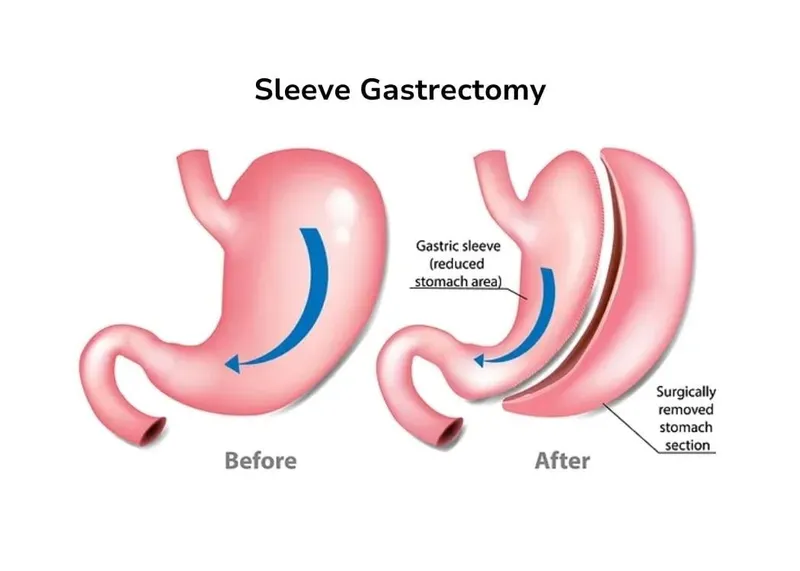 Weight Loss: It leads to significant weight loss, with patients typically losing around 60% to 70% of excess body weight.
Effect on Comorbidities: Like RYGB, sleeve gastrectomy is effective in improving or resolving obesity-related comorbidities.
Long-Term Outcomes: Long-term success is well-documented, and patients tend to maintain their weight loss over time.
Potential Complications: Complications can include staple line leaks, strictures, and, although less common than with RYGB, potential nutritional deficiencies.
Reversibility: Sleeve gastrectomy is not reversible because a portion of the stomach is permanently removed.
Weight Loss: It leads to significant weight loss, with patients typically losing around 60% to 70% of excess body weight.
Effect on Comorbidities: Like RYGB, sleeve gastrectomy is effective in improving or resolving obesity-related comorbidities.
Long-Term Outcomes: Long-term success is well-documented, and patients tend to maintain their weight loss over time.
Potential Complications: Complications can include staple line leaks, strictures, and, although less common than with RYGB, potential nutritional deficiencies.
Reversibility: Sleeve gastrectomy is not reversible because a portion of the stomach is permanently removed.
Roux-en-Y Gastric Bypass (RYGB)
Mechanism of Action: RYGB combines both restriction and malabsorption. It creates a small pouch at the top of the stomach and reroutes the small intestine to connect to this pouch, limiting the amount of food that can be consumed and reducing nutrient absorption. Weight Loss: RYGB often results in significant weight loss, with patients typically losing around 60% to 70% of excess body weight. Effect on Comorbidities: It is highly effective in resolving or improving obesity-related comorbidities such as type 2 diabetes, hypertension, and sleep apnea. Long-Term Outcomes: RYGB has shown good long-term weight maintenance and health improvement in many patients. Potential Complications: Potential complications include dumping syndrome (nausea, sweating, and diarrhea after consuming certain foods), nutritional deficiencies (vitamin and mineral deficiencies), and gastrointestinal issues. Reversibility: While possible, reversal is complex and not commonly performed.Bariatric surgery is not a quick fix. It requires significant lifestyle changes, including dietary modifications and increased physical activity, to achieve and maintain successful weight loss. Consulting a dietitian is crucial after the surgery; most surgeons in Turkey partner with a dietitian and include a certain period of diet consultancy in their prices. Psychological consultancy also plays an important part, and patients should consider psychological support both while deciding on surgery and after the operation.
Diet Before Bariatric Surgery
Before undergoing bariatric surgery, it is crucial to adhere to a specific preoperative dietary plan, commencing 14 days before the procedure. This pre-operative diet serves multiple purposes, including shrinking your liver, preparing the body for surgery, and minimizing potential complications. Failure to comply with this dietary regimen could result in a more challenging operation.
During this period, your diet should predominantly consist of clear liquids, such as water, broth, clear fruit juices without pulp, and sugar-free gelatin. It is imperative to avoid solid foods, as they can impede stomach emptying and heighten surgical risks. In some cases, your surgeon may recommend clear protein supplements to preserve muscle mass and ensure essential nutrient intake. Additionally, you will typically be instructed to fast from clear liquids several hours before the surgery.

Diet After Bariatric Surgery
The postoperative diet plays a pivotal role in both short-term recovery and long-term success following bariatric surgery. While specific dietary guidelines can vary based on the surgical procedure and individual needs, some universal principles apply. In the immediate postoperative phase, patients are typically placed on a clear liquid diet, which includes water, broth, clear fruit juices without pulp, and sugar-free gelatin. This phase aims to maintain hydration while facilitating the healing of the surgical site.
Subsequently, patients progress to a full liquid diet, incorporating items like protein shakes, yogurt, milk, and creamed soups. The diet then advances to pureed foods, including options like baby food and well-blended soups with a smooth consistency free of solid fragments. Further progression involves soft foods, which should be well-cooked and easy to chew. Ultimately, patients transition back to a regular balanced diet, albeit with smaller portion sizes and potential restrictions on high-calorie, high-sugar, or high-fat foods.
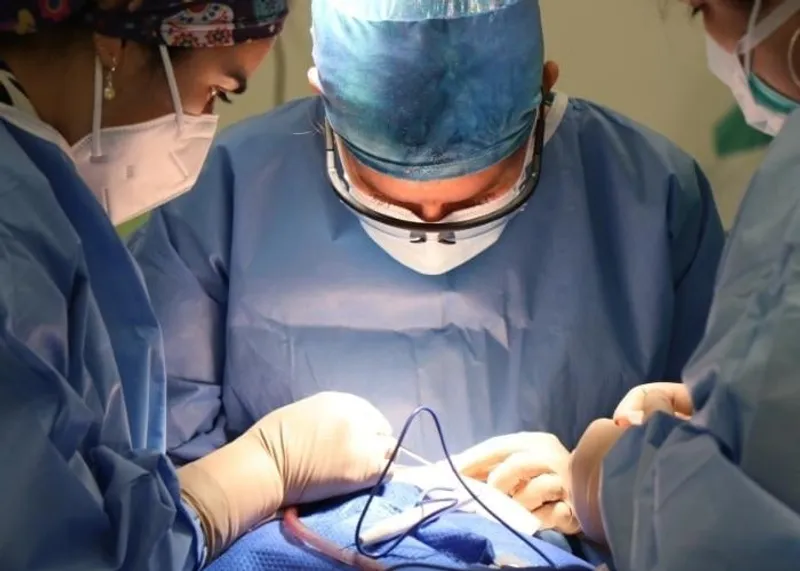
Life After Bariatric Surgery: Possible Complications and Lifestyle Changes
Bariatric surgery is a transformative procedure that offers hope and health benefits to those struggling with obesity. However, like any major surgical intervention, it comes with a set of potential side effects and considerations that individuals must be well-informed about. Ensuring proper nutritional intake is crucial during this period. Managing dietary habits to avoid the discomfort of dumping syndrome, which involves symptoms such as nausea, sweating, and diarrhea, can be achieved by steering clear of trigger foods and embracing balanced meals. Digestive issues and the possibility of exacerbating gastroesophageal reflux disease (GERD) also warrant consideration, as they may require dietary adjustments and medical management.
There is also a correlation between hair loss and bariatric surgery, but it is mostly temporary. The condition is often referred to as "telogen effluvium" and can occur due to several factors related to rapid weight loss and the nutritional changes that commonly follow bariatric procedures. As the body adjusts to the new nutritional status and weight loss stabilizes, many individuals will see their hair regrow and return to its previous condition.
Consistent follow-up care through scheduled appointments ensures monitoring of progress and addresses any emerging complications or concerns. Moreover, recognizing the potential emotional and psychological impacts of the surgery, such as body image issues or mood disorders, highlights the need for holistic support, which may involve mental health professionals. Ultimately, bariatric surgery signifies a lifelong commitment to health, demanding mindful eating, physical activity, and ongoing medical supervision to enhance the quality of life for individuals on this transformative path.
This article is not authored by a medical professional; however, it provides a concise overview of various medical procedures sourced from academic papers within the field of medicine. While it does not substitute for expert medical advice, it offers a valuable summary of the information found in scholarly literature, making it a useful resource for those seeking a general understanding of these medical procedures. It is essential to consult with qualified healthcare professionals for in-depth and personalized medical guidance.
References
- The SAGES Manual: A Practical Guide to Bariatric Surgery Author(s): Ninh T. Nguyen, Eric J. DeMaria, Sayeed Ikramuddin, Matthew M. Hutter Year: 2008
- Bariatric Surgery: Technical Variations and Complications Author(s): Mervyn Deitel (auth.), Michael Korenkov (eds.) Publisher: Springer-Verlag Berlin Heidelberg, Year: 2012
- Review of Obesity and Bariatric Surgery: Essential Notes and Multiple Choice Questions Author(s): Subhash Kini; Raghavendra Rao Publisher: Informa Healthcare, Year: 2012
- https://www.who.int/news-room/fact-sheets/detail/obesity-and-overweight