


Dermatology in Istanbul: Treatments and Clinics Guide
Dermatology in Istanbul covers both medical and cosmetic care for skin, hair, and nails. Clinics across the city diagnose and treat conditions ranging from acne and eczema to skin cancer, and they also offer aesthetic procedures such as Botox, fillers, and laser therapy. Treatment costs are generally lower than in Western countries, which is why the city attracts a steady flow of international patients. Here is what to expect from dermatological care in Istanbul, and which procedures patients request most.
Why Do Medical Tourists Choose Istanbul for Dermatology?
Istanbul pairs modern medical facilities with dermatologists experienced in both medical and cosmetic procedures. Hospitals and clinics follow international healthcare standards and work with current diagnostic and treatment technology, so patients receive the same class of care they would expect at home.
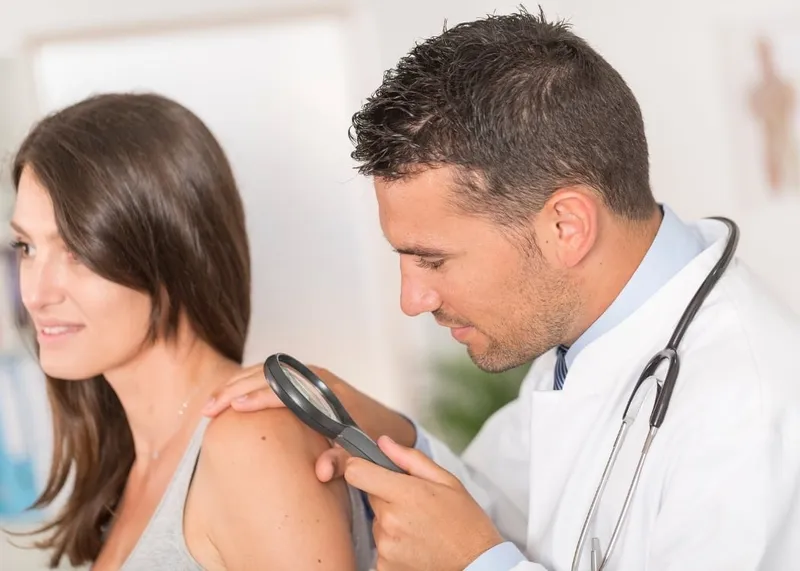
Many of the city's dermatologists have trained internationally and cover the full range of dermatological procedures. Affordability is the other major draw: cosmetic and medical dermatology treatments in Turkey typically cost less than comparable care in Western countries, without a compromise on quality. Prices vary by procedure and clinic, so ask for a detailed quote before you book.
What Do Dermatology Clinics in Istanbul Offer?
Beyond the treatments themselves, many clinics in Istanbul support international patients with travel assistance, accommodation options, and structured post-treatment care. That makes it practical to plan a treatment trip without a local contact. Between appointments, the city's history and culture are easy to enjoy, one more reason Istanbul has become a hub for both cosmetic and medical dermatology.
Diagnostic Dermatology Procedures
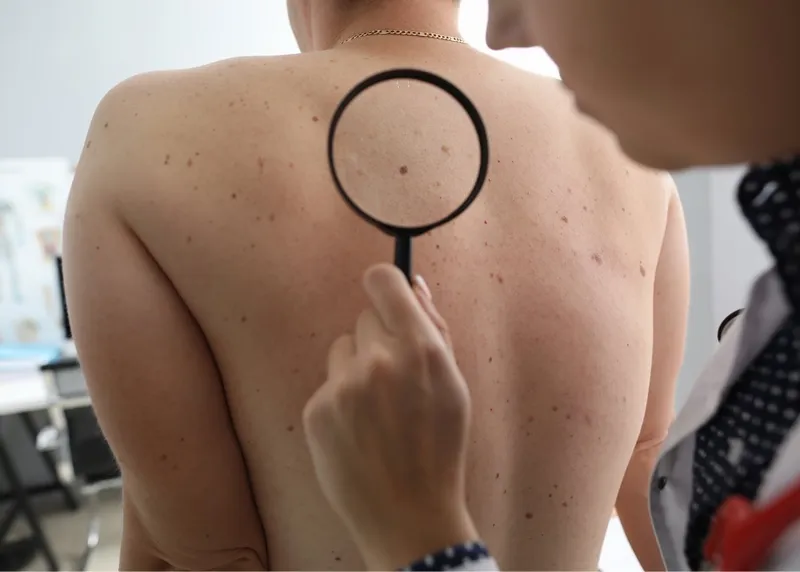
Accurate diagnosis comes first. A core technique is the skin biopsy: the dermatologist surgically removes a small sample of skin tissue, and a dermatopathologist examines its cellular and histological characteristics under a microscope. This is how conditions such as skin cancer are confirmed with precision.
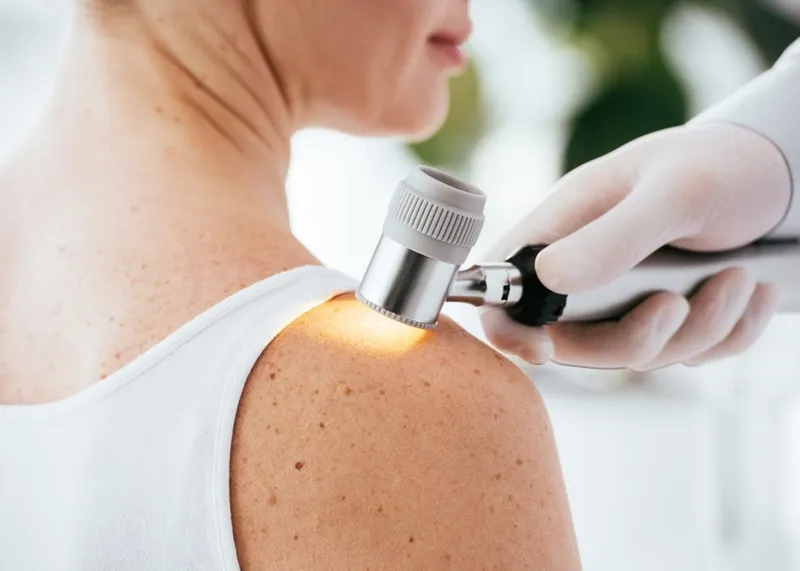
For acne, dermatologists assess severity and underlying factors before recommending a plan. Depending on the assessment, options include topical creams, oral medications, chemical peels, and laser therapy.
Top Ten Therapeutic Dermatology Procedures in Turkey
These are the ten dermatological procedures international patients most often seek in Turkey, covering both medical treatment and cosmetic care.
Botox and Fillers
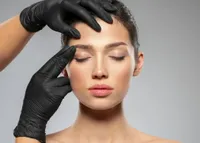
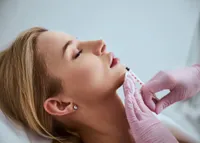
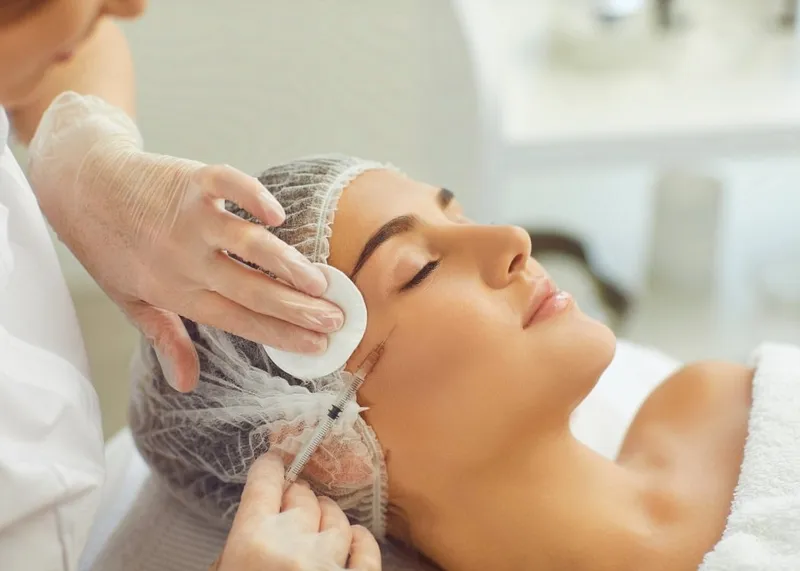
Turkey is a leading destination for injectable treatments, with Botox and dermal fillers at the top of the list. Experienced dermatologists administer the injections to reduce wrinkles and restore facial volume, aiming for a refreshed, natural-looking result.
Skin Cancer Surgery
Turkish dermatologists treat basal cell carcinoma, squamous cell carcinoma, and melanoma. Depending on the lesion, surgical options include excision, Mohs surgery, and cryosurgery, all focused on removing malignant tissue precisely while protecting healthy skin.
Laser Therapy
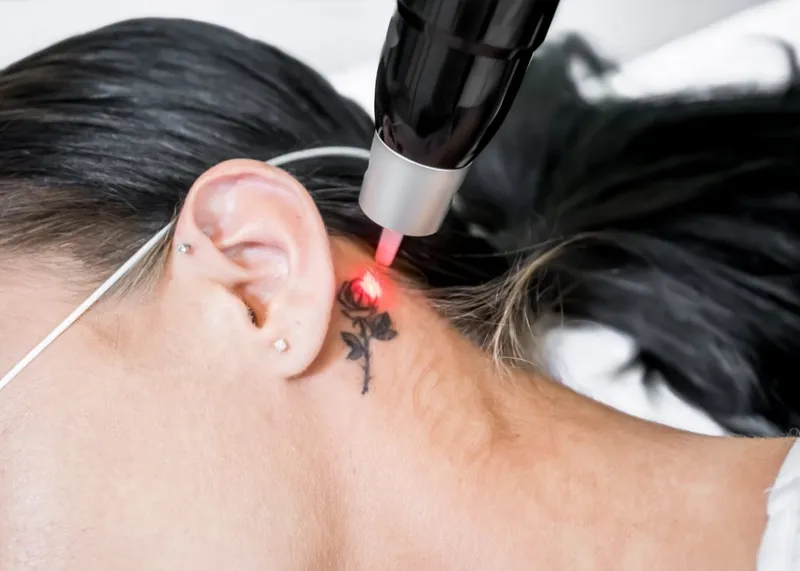
Laser therapy addresses a wide range of skin concerns, from tattoo removal and wrinkle reduction to CO2 laser skin resurfacing. It is one of the most versatile tools in modern dermatology, and clinics in Istanbul use it for both medical and cosmetic needs.
Acne Treatment
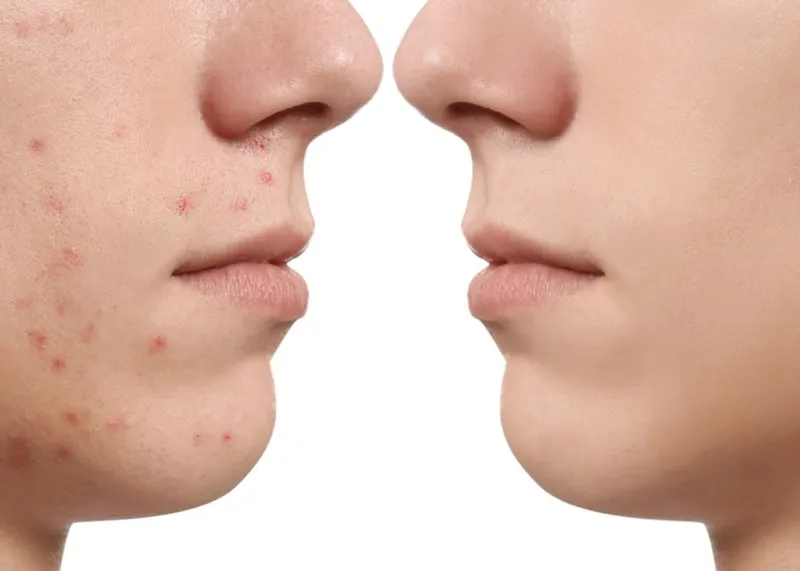
Acne treatment in Turkey starts with diagnosis and moves to a plan tailored to each patient. Options include specialized topical creams, oral medications, chemical peels, and laser therapy, often combined for stubborn cases.
Chemical Peels
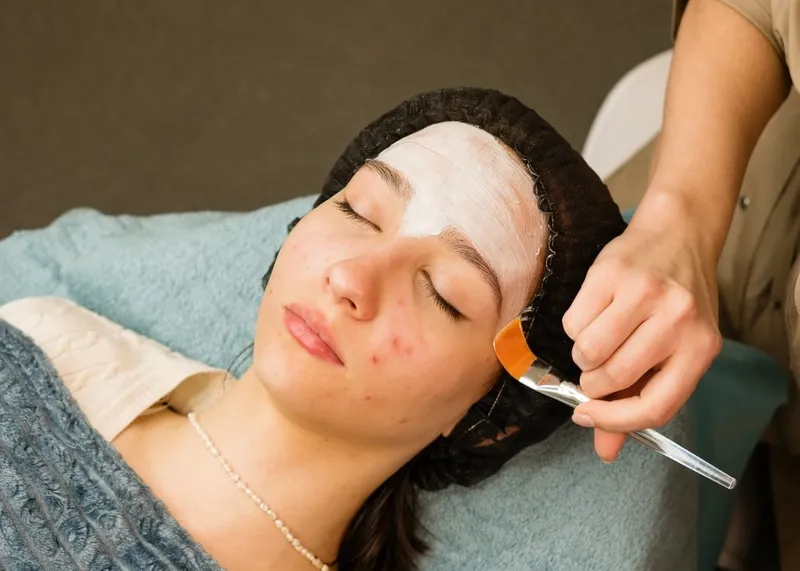
Chemical peels are a popular non-surgical option for skin renewal. The dermatologist applies a chemical solution that exfoliates damaged skin layers in a controlled way, helping to smooth fine lines, reduce wrinkles, and fade hyperpigmentation.
Microdermabrasion
Microdermabrasion is a mechanical exfoliation method that removes the outermost skin layer to refine texture. It visibly reduces fine lines, sun damage, and acne scars, and it is widely available at modern clinics in Istanbul.
Phototherapy
Phototherapy uses specialized light sources to manage conditions such as psoriasis, eczema, and vitiligo. By modulating immune responses and stimulating skin healing, it offers a non-invasive alternative to systemic medications for many patients.
Rosacea Treatment
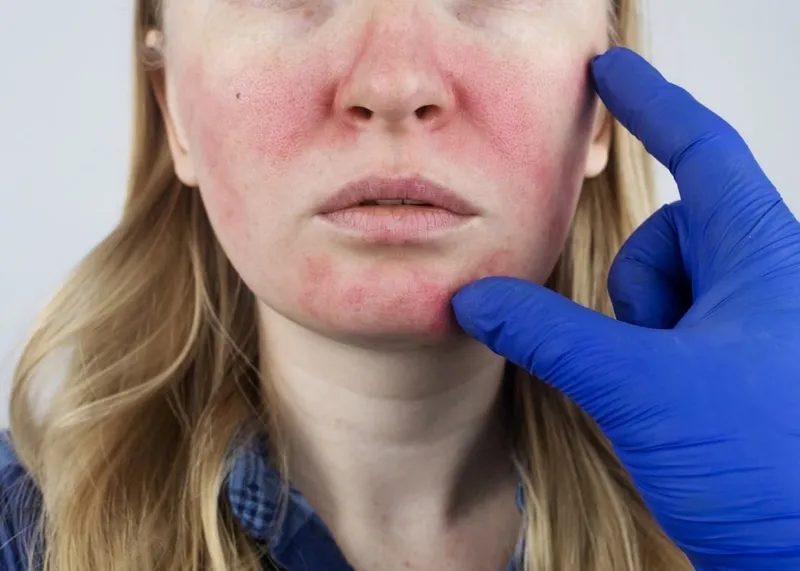
Rosacea treatment combines targeted topical medications with lifestyle adjustments. The aim is to reduce facial redness and visible blood vessels and to keep this chronic condition under long-term control.
Psoriasis Treatment
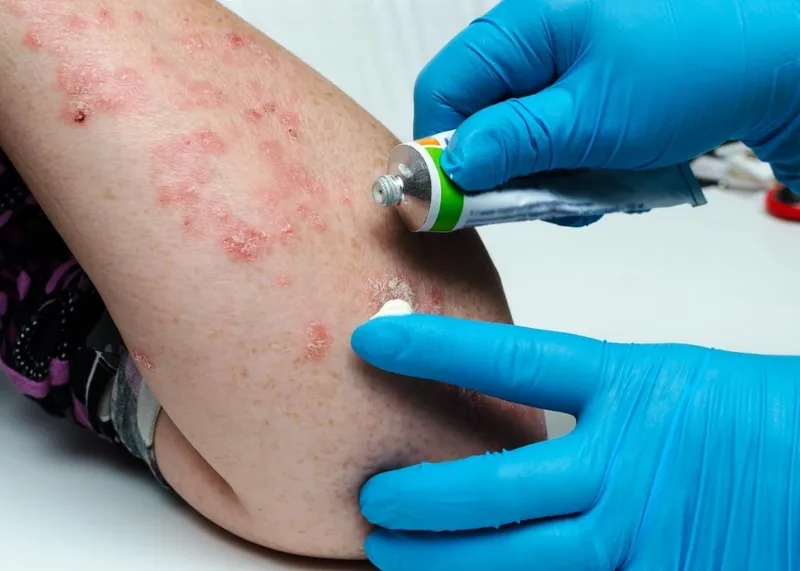
Psoriasis treatment in Turkey focuses on relieving the red, scaly patches of this autoimmune skin condition. Dermatologists combine advanced topical medications with phototherapy, adding systemic drugs when the condition requires them.
Eczema Treatment
Eczema treatment targets the itching and rashes of this inflammatory skin condition. Plans typically combine specialized moisturizers, targeted topical steroids, and lifestyle adjustments to improve skin health day to day.
From Botox and fillers to skin cancer surgery, dermatology in Istanbul spans the full spectrum of skin, hair, and nail care, with the diagnostic groundwork to match.
This article is not authored by a medical professional; however, it provides a concise overview of various medical procedures sourced from academic papers within the field of medicine. While it does not substitute for expert medical advice, it offers a valuable summary of the information found in scholarly literature, making it a useful resource for those seeking a general understanding of these medical procedures. It is essential to consult with qualified healthcare professionals for in-depth and personalized medical guidance.