






Hair Transplant in Istanbul: Costs, Clinics & Techniques
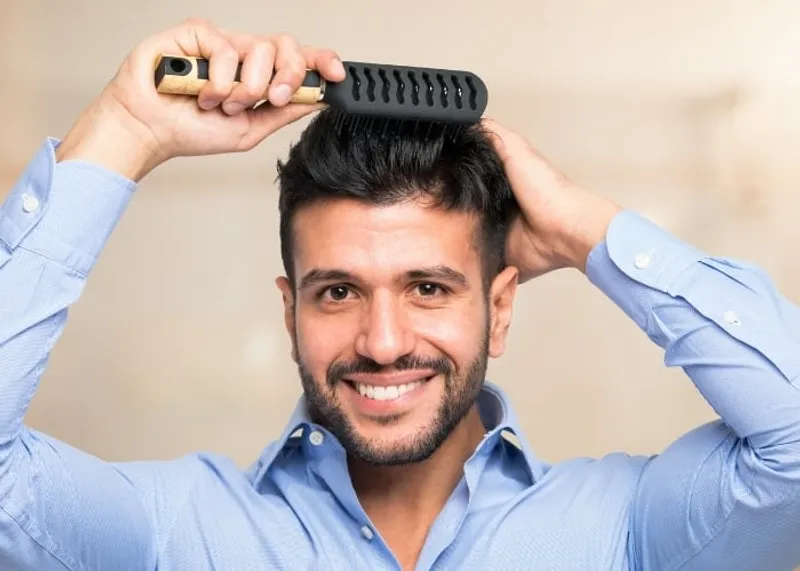
A hair transplant in Istanbul typically costs between €1,800 and €4,000, is performed under local anesthesia, and produces visible new growth within a few months of the procedure. Skilled surgeons, modern facilities, short waiting times, and prices well below those in many other countries have made the city one of the world's leading destinations for the treatment.
The most common techniques are FUE (Follicular Unit Extraction) and DHI (Direct Hair Implantation), used on the scalp as well as for beard, mustache, and eyebrow restoration. This guide explains how the procedure works, what it costs, and how to choose a clinic.
Hair Transplant Clinics & Surgeons in Istanbul
Istanbul's top-rated clinics are concentrated in districts such as Nişantaşı, Levent, and Sultanahmet. Procedures are performed in hospitals or dedicated operating rooms with sterile, clean equipment, and the city's experienced, extensively trained surgeons work with the latest therapeutic techniques and technologies, contributing to numerous hair transplantation studies.
There is usually no waiting time for treatment, and Turkey's location linking Europe to Asia, close to the Middle East and North Africa, keeps Istanbul easy to reach. Many international patients simply pair their procedure with a short stay in the city.
What Is a Hair Transplant?
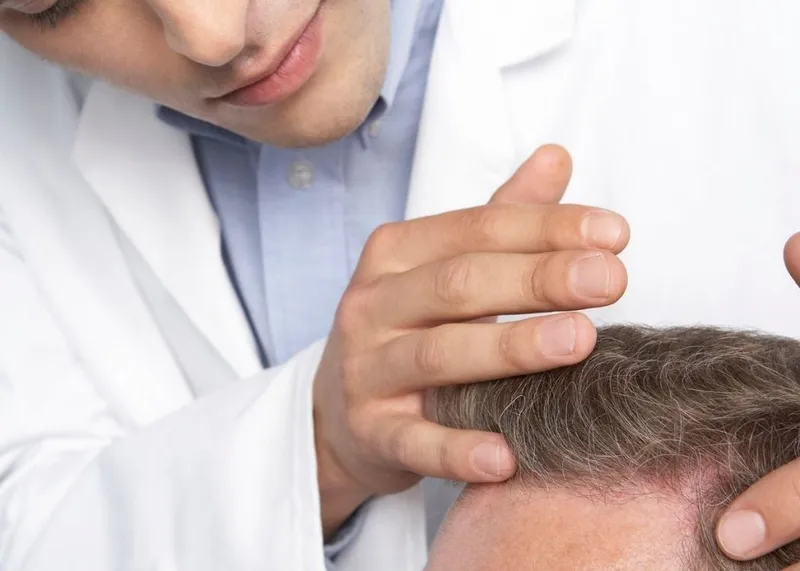
A hair transplant is a surgical procedure that moves healthy hair follicles from a donor area, usually the back or sides of the scalp, to areas where hair has thinned or receded. It is most often used to treat androgenetic alopecia, better known as male or female pattern baldness.
Hair loss can also stem from hormonal changes, certain medical conditions, medications, nutritional deficiencies, or prolonged stress. Diagnosis matters here: stress-related shedding such as telogen effluvium is often temporary and may not need surgery at all, so a specialist evaluation should always come before any decision to operate.
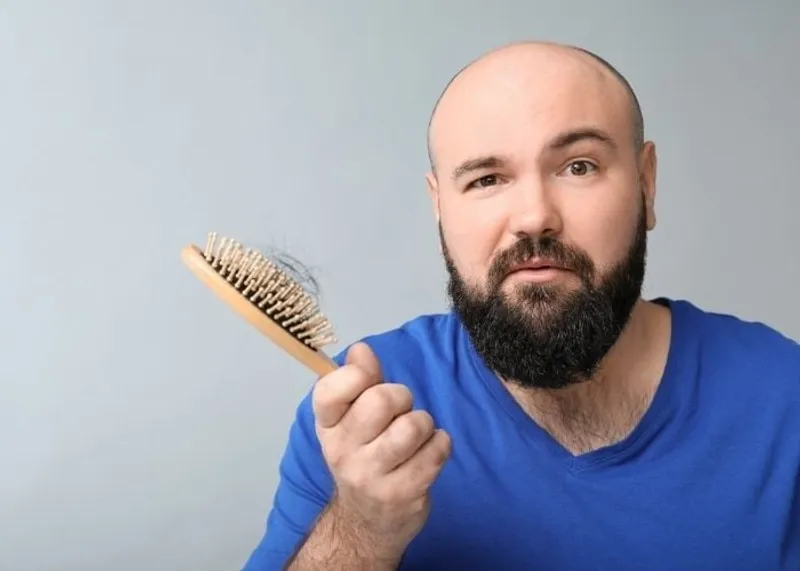
Transplantation is not limited to the scalp. Follicles can also be implanted into the beard, mustache, or eyebrows to fill patchy or thin growth, using the same techniques as scalp procedures.
How Is the Procedure Performed?
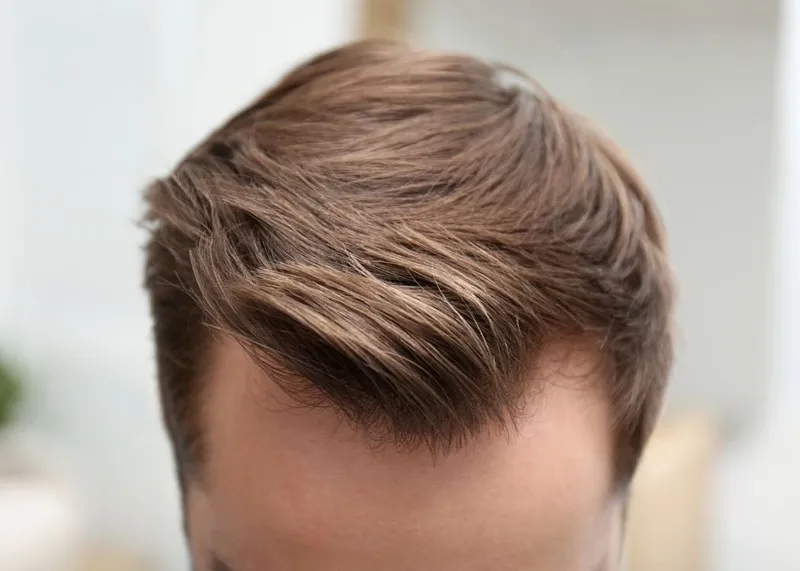
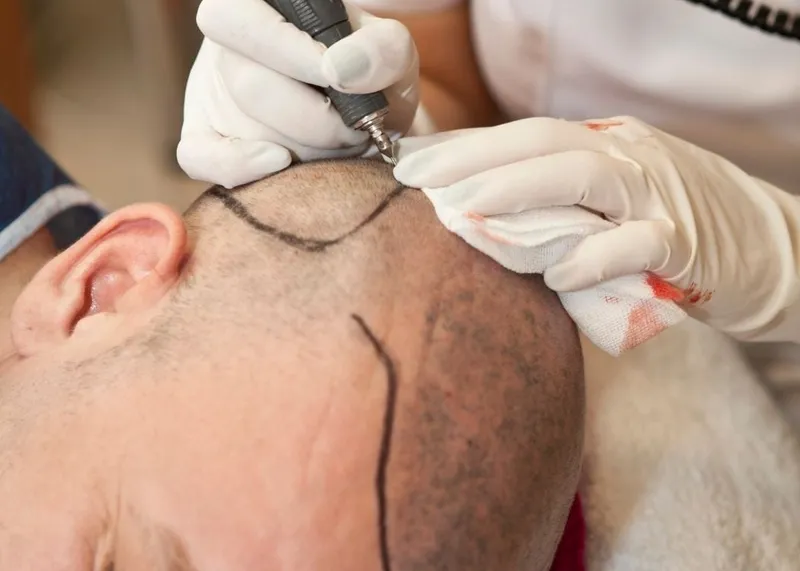
Most clinics in Istanbul work with Follicular Unit Extraction (FUE). Individual follicles are removed from the donor area with a specialized microsurgical tool, then implanted one by one into tiny incisions in the recipient area. Direct Hair Implantation (DHI) is a related technique with a more advanced implantation method, and it is usually priced slightly higher.
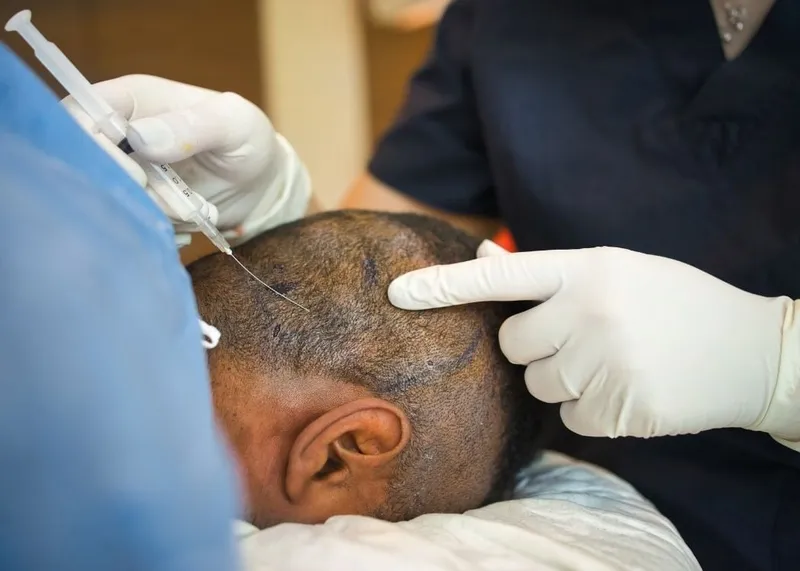
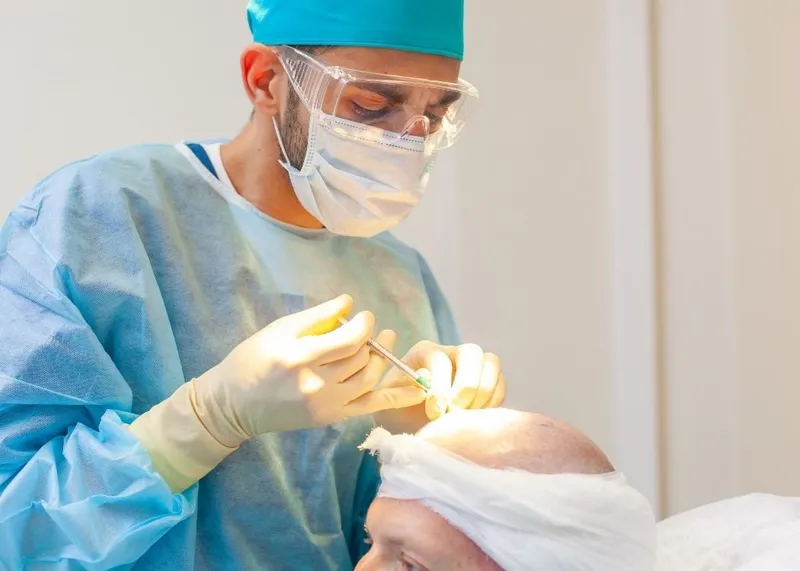
The operation is carried out under local anesthesia to keep the patient comfortable, and its length depends on how many grafts are being moved. The transplanted follicles first go through a healing phase; new growth usually starts to emerge within a few months and then continues naturally, needing only regular grooming.
Beard transplants follow the same FUE approach. Healthy follicles from the donor area are placed into the beard region to create fuller, more even growth for men with patchy or thin facial hair.
Pre-Operative Assessment and Planning
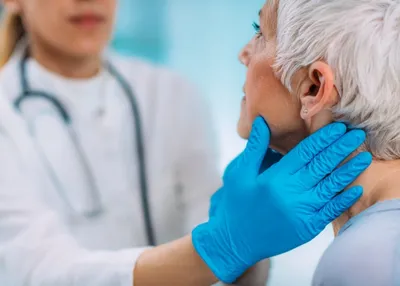
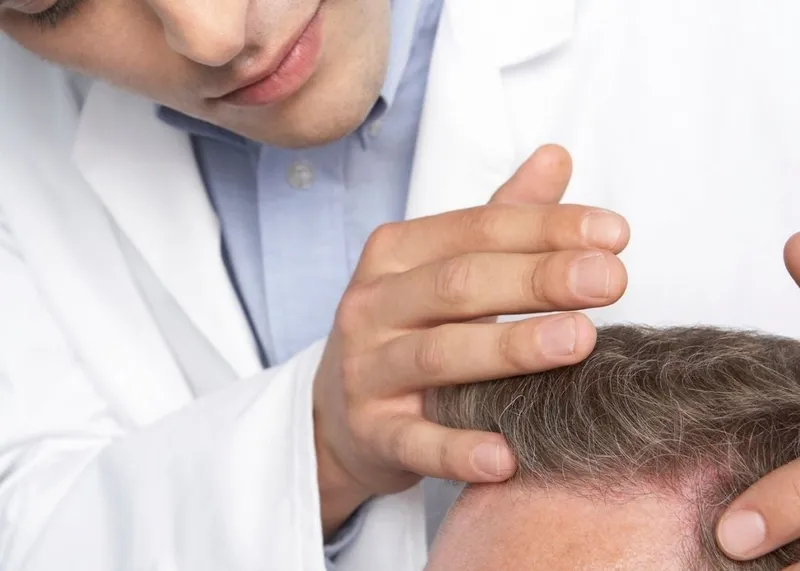
Every reputable clinic starts with a thorough assessment. The surgeon examines the extent of hair loss, the density and quality of the donor hair, and the overall condition of the scalp or facial skin. For beard or mustache transplants, the existing growth pattern and any scars or patches are evaluated as well.
Based on this examination, the doctor prepares a personalized treatment plan: the number of grafts, the technique to be used (FUE or DHI), the distribution of grafts in the recipient area, and the expected density. You should also receive clear pre-operative instructions, such as medications or activities to avoid, plus a post-operative care schedule with follow-up appointments.
How to Choose a Hair Transplant Clinic in Istanbul
Start with the surgeon, not the price. Research their qualifications, training, certifications, and track record with the specific technique you want. Before-and-after photos of previous patients and independent reviews will tell you more than any clinic's own marketing.
Once you have a shortlist, weigh these factors:
Facilities and technology: A reputable clinic uses modern equipment and advanced techniques and maintains a clean, sterile environment; these contribute directly to the success of the procedure. Patient care: Look for personalized attention through the whole process: clear communication, dedicated post-operative care, and support after you return home. Pricing: Istanbul's clinics are known for combining affordability with high quality standards, but the cheapest quote is not automatically the best one. Compare what each price actually includes. Location and access: If you are traveling from abroad, check how easy the clinic is to reach. Istanbul's central position and transport links make most districts straightforward to get to.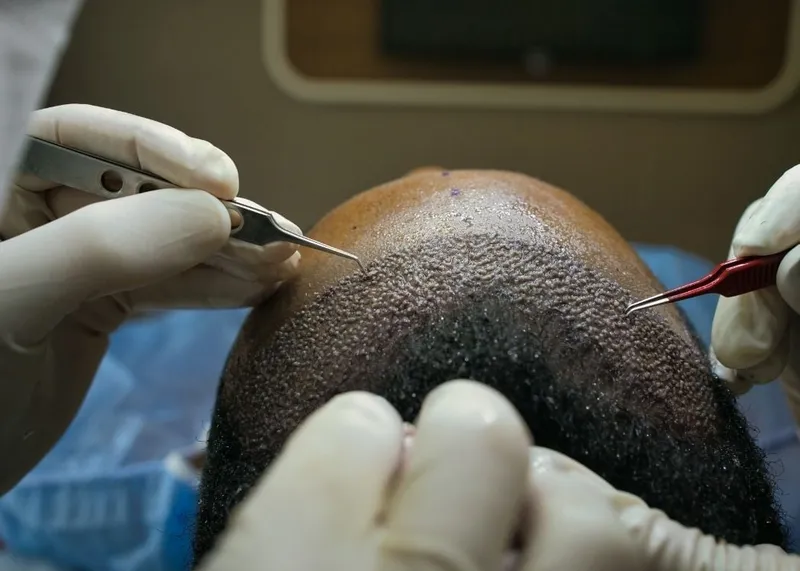
Finally, meet the surgeon in person to discuss your specific needs and expectations, and consider a second opinion from another experienced hair restoration professional before committing to a treatment plan.
How Much Does a Hair Transplant Cost in Turkey?
Most hair transplant packages in Turkey, including FUE beard transplants, cost between €1,800 and €4,000, depending on the clinic, the technique, and the number of grafts required. Per graft, prices generally range from $1 to $3, which keeps Turkey considerably more affordable than many other countries offering the same procedures.
What Affects the Price
Type of procedure: The specific technique matters; DHI is often priced slightly above FUE because of its more advanced implantation method. Number of grafts: The biggest cost driver. Depending on the extent of hair loss and the density you want, treatments range from 1000 to 6000 grafts, and the doctor determines the number you need. Surgeon's experience: Highly skilled, renowned surgeons charge higher fees based on their expertise and their record of successful surgeries. Clinic's location: Clinics in major cities like Istanbul may charge slightly more than those in smaller towns, reflecting differences in operating and living costs.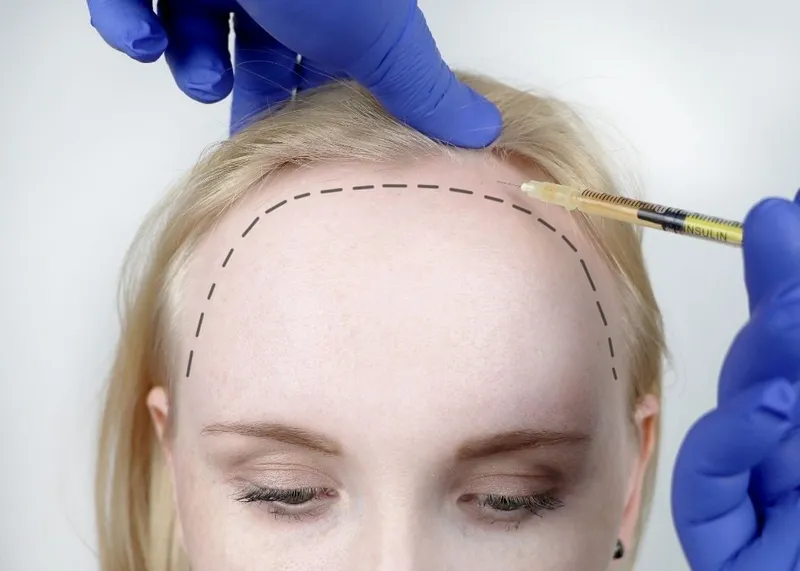
Average Costs by Graft Count
Per graft: approximately $1 to $3, depending on the clinic, surgeon, and technique used. 1000 grafts: approximately $1,500 to $3,000. 3000 grafts: approximately $4,500 to $9,000. 6000 grafts: approximately $9,000 to $18,000.These are average figures; the final price depends on the clinic, the surgeon, and your specific requirements.
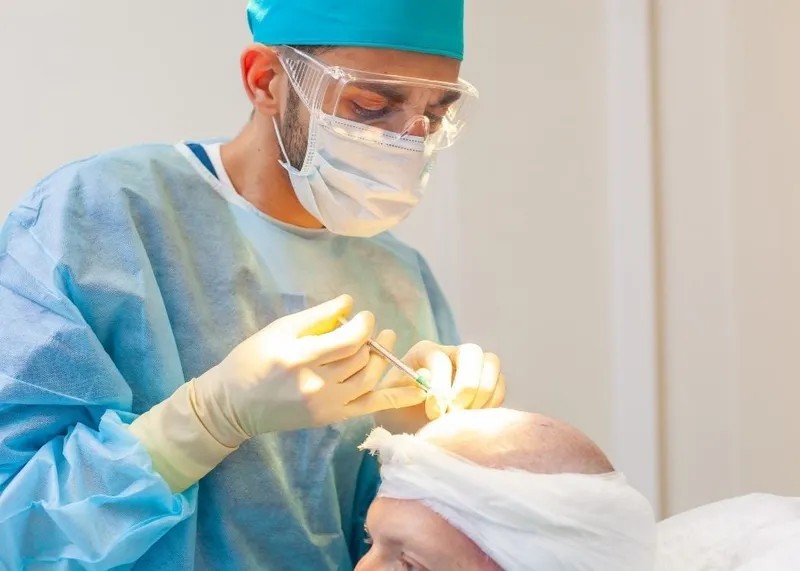
Pricing structures differ from clinic to clinic, so request itemized quotes from several providers and check exactly what each includes. Many clinics bundle accommodation, airport transfers, and post-operative care into a single package; some run promotional offers in quieter months, and some provide installment plans through partner financial institutions. Whatever the offer, never trade the surgeon's credentials and the clinic's standards for a lower price.
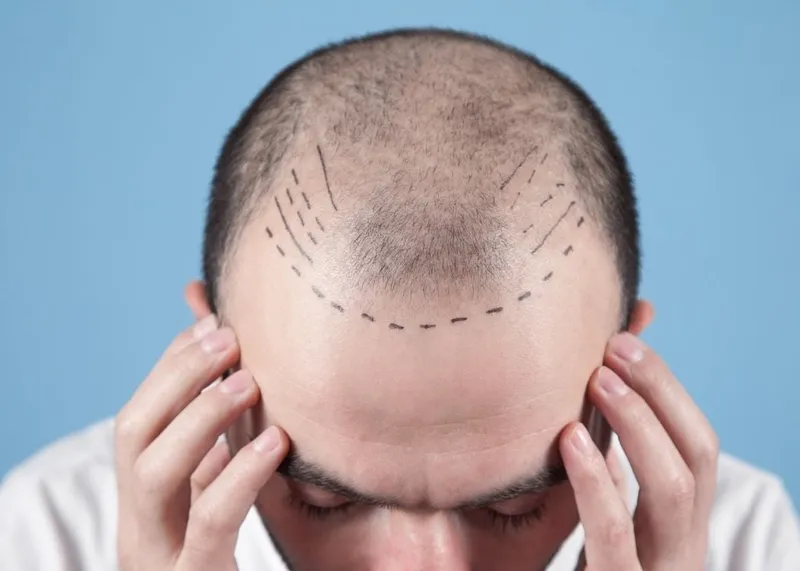
For exact pricing, consult clinics directly so they can assess your donor area and confirm the number of grafts your treatment needs.
This article is not authored by a medical professional; however, it provides a concise overview of various medical procedures sourced from academic papers within the field of medicine. While it does not substitute for expert medical advice, it offers a valuable summary of the information found in scholarly literature, making it a useful resource for those seeking a general understanding of these medical procedures. It is essential to consult with qualified healthcare professionals for in-depth and personalized medical guidance.