









Dental Care in Istanbul: Treatments, Costs and Timeline
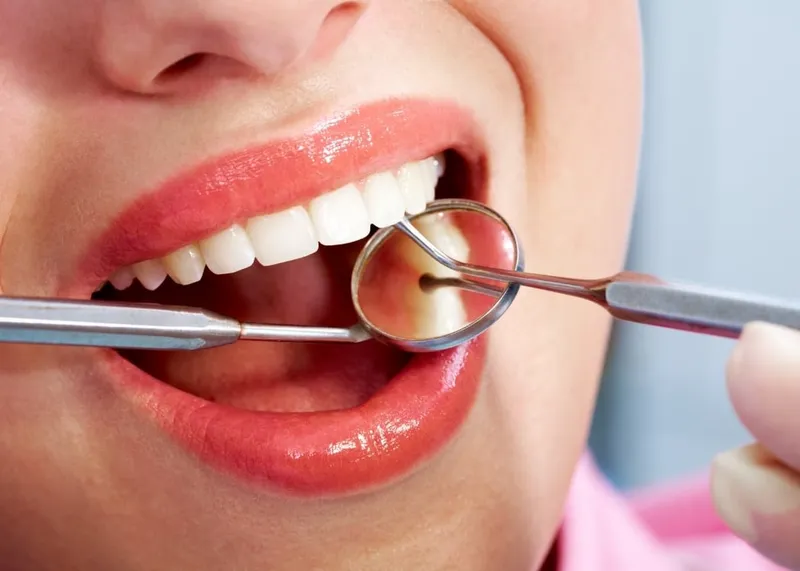
Istanbul is one of the world's leading destinations for dental care, covering everything from implants and crowns to complete smile makeovers. Turkey ranked 6th in the world for the number of foreign patients choosing dental treatment, and after 2021 it jumped to become the 2nd most attractive country. Istanbul sits at the heart of this, attracting almost 70 percent of foreign patients. Two decades of heavy private investment turned health tourism into almost 20 percent of Turkey's whole tourism sector. This guide answers the practical questions: how dentists are trained in Turkey, how to choose an implant brand and crown type, how long treatment takes, and what to expect from a clinic in Istanbul.
Why Choose Istanbul for Dental Care?
Patients choose Istanbul for a simple combination: internationally accredited clinics and experienced specialists on one side, and treatment fees well below most Western countries on the other. Geographic proximity to Europe and the Middle East makes the trip itself easy too.

Cost efficiency has a clear explanation. Dental clinics in Turkey may carry lower overhead expenses, such as facility and administrative costs, than clinics in other countries, and these savings are passed on to patients as lower treatment fees. The exchange rate of your home currency against the Turkish Lira adds to the affordability, and the Turkish government actively promotes medical and dental tourism with incentives for patients and providers alike. Keep in mind that the final cost still depends on the treatment you need and the clinic you choose.
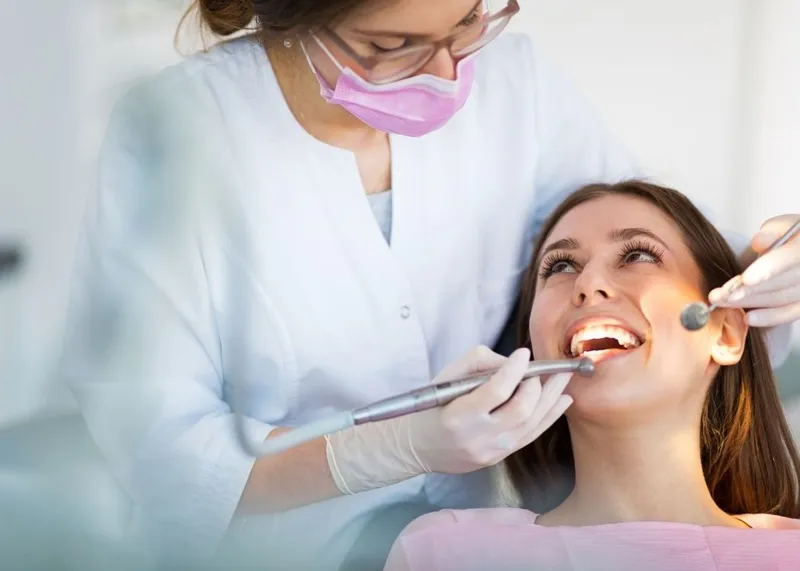
Beyond price, the practical side is straightforward:
Range of services: from routine check-ups and cleanings to dental implants, cosmetic dentistry, and orthodontics, plus preventive and orthodontic care for children. Technology and equipment: clinics work with modern equipment, from digital X-rays to laser systems. Insurance: many clinics accept international insurance; check whether your provider covers treatment in Turkey. Appointments: book in person or online, and book in advance to secure the time that suits you. Language: English is widely spoken in Istanbul's clinics, so communication is rarely a problem.Dentistry in Turkey
Being a dentist in Turkey is a highly regarded occupation, and most dentistry students were straight-A students in high school before entering university. The curriculum combines theoretical coursework with clinical training across specialties such as oral surgery, orthodontics, prosthodontics, periodontics, endodontics, and pediatric dentistry.
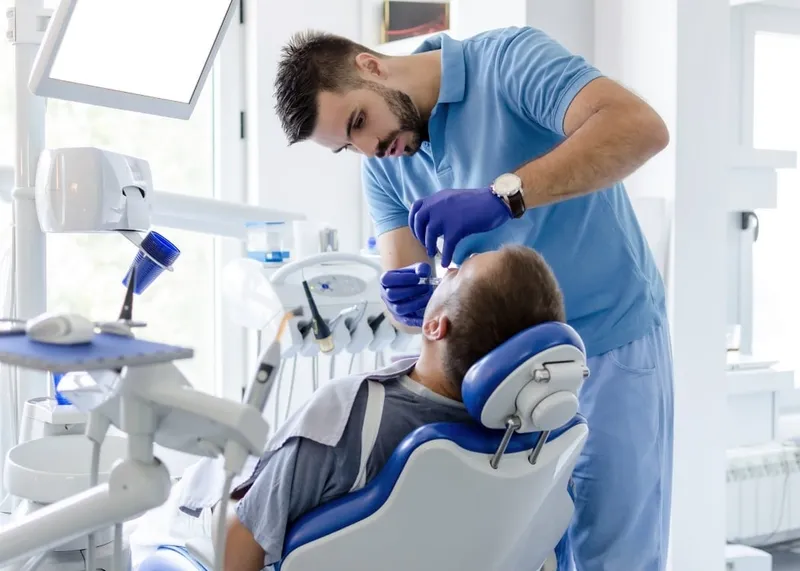
Practical training is an essential part of the program: students treat patients under the supervision of experienced dentists at university clinics or affiliated hospitals. In half of these universities the language of education is English. That matters for foreign patients, because being treated in a language you understand is far more comfortable than relying on a translator in the operating room.
After this education, Turkish dentists must pass a universally accepted exam to begin their careers, and they study two more years to specialize in one subject. That's why many clinics assign a team of doctors, each handling one part of the full treatment.
Health tourism is an officially recognized sector in Turkey. Clinics that treat foreign patients operate under strict regulations, are constantly audited by government institutions, and a huge number hold international accreditations.
How Should You Choose a Clinic and Treatment Plan?
Finding a good dentist or dental surgeon is crucial for the success and safety of any procedure. A qualified, experienced dentist has the training to perform the procedure correctly, minimize the risk of complications, and advise you on the best course of treatment with ongoing care afterward. Once quality and cost are confirmed, your provider should explain your procedure in detail. Here are the questions worth asking before you commit.
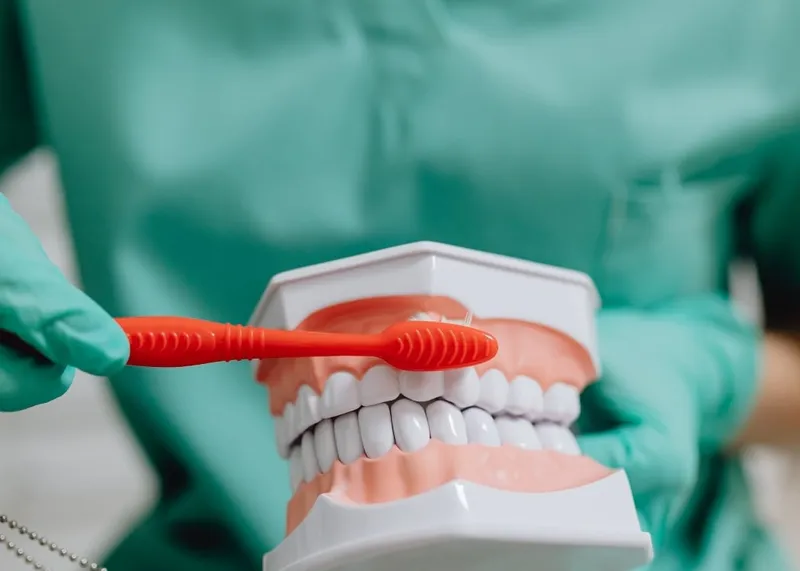
Which Implant Brand Will Be Used?
There are thousands of implant brands in the world, and the name on the box makes a considerable difference. Quality implants should endure for life. No implant is guaranteed to keep that promise, but statistically some brands have proved significantly more reliable than others. Research the brands below and ask your dentist whether one of them is planned for your treatment.
 Straumann: a Swiss-based company and one of the most recognized brands in the dental implant industry, with a long history of high-quality implants and excellent success rates.
Nobel Biocare: based in Sweden, a leading manufacturer known for innovative and reliable implant systems.
Zimmer Biomet: a global medical device company offering implant solutions with a good reputation for quality and durability.
Dentsply Sirona: a well-known dental equipment and technology company providing a variety of implant products.
BioHorizons: a US-based manufacturer recognized for advanced implant designs and biocompatible materials.
MIS Implants: headquartered in Israel, a significant player offering a range of implant solutions.
Straumann: a Swiss-based company and one of the most recognized brands in the dental implant industry, with a long history of high-quality implants and excellent success rates.
Nobel Biocare: based in Sweden, a leading manufacturer known for innovative and reliable implant systems.
Zimmer Biomet: a global medical device company offering implant solutions with a good reputation for quality and durability.
Dentsply Sirona: a well-known dental equipment and technology company providing a variety of implant products.
BioHorizons: a US-based manufacturer recognized for advanced implant designs and biocompatible materials.
MIS Implants: headquartered in Israel, a significant player offering a range of implant solutions.
Which Crown Type Suits Your Needs?
After the implant, you wait for your gums to restore themselves, then choose the crown. Dental crowns are custom-made caps that cover the entire visible portion of a damaged or weakened tooth, restoring its shape, size, strength, and appearance. Each type balances aesthetics and functionality differently:
 Porcelain-fused-to-metal (PFM) crowns: combine the strength of metal with the natural appearance of porcelain. The metal substructure provides durability, while the porcelain outer layer gives a natural tooth color. The metal margin near the gum line can sometimes show as a dark line.
All-ceramic or all-porcelain crowns: made entirely of ceramic or porcelain, an excellent choice for people with metal allergies or anyone who wants the most natural look. They offer strong aesthetics but may not be as strong as PFM crowns.
Zirconia crowns: a strong, durable ceramic with excellent aesthetics. Zirconia crowns are increasingly popular for their natural appearance and biocompatibility.
Metal crowns: made of metals such as gold, silver, or nickel-chromium alloys. Very strong and resistant to biting forces, but their metallic look makes them less desirable for visible teeth.
Composite resin crowns: tooth-colored but less durable than other types; typically used for temporary or short-term restorations.
Stainless steel crowns: pre-made crowns often used as temporary crowns for children or for primary teeth; a cost-effective, quick solution.
Porcelain-fused-to-metal (PFM) crowns: combine the strength of metal with the natural appearance of porcelain. The metal substructure provides durability, while the porcelain outer layer gives a natural tooth color. The metal margin near the gum line can sometimes show as a dark line.
All-ceramic or all-porcelain crowns: made entirely of ceramic or porcelain, an excellent choice for people with metal allergies or anyone who wants the most natural look. They offer strong aesthetics but may not be as strong as PFM crowns.
Zirconia crowns: a strong, durable ceramic with excellent aesthetics. Zirconia crowns are increasingly popular for their natural appearance and biocompatibility.
Metal crowns: made of metals such as gold, silver, or nickel-chromium alloys. Very strong and resistant to biting forces, but their metallic look makes them less desirable for visible teeth.
Composite resin crowns: tooth-colored but less durable than other types; typically used for temporary or short-term restorations.
Stainless steel crowns: pre-made crowns often used as temporary crowns for children or for primary teeth; a cost-effective, quick solution.
Implant brand and crown type affect both the health outcome and the cost of the procedure. A good provider offers you several options and a clear cost comparison between them before you decide.
How Long Does Dental Implant Treatment Take?
The timeline for implant and crown procedures varies with your oral health, the need for additional work such as bone grafting, and the clinic's protocols. Plan for two trips to Istanbul: implant placement first, then the crown after your jaw has healed. Here's the typical visit-by-visit outline.
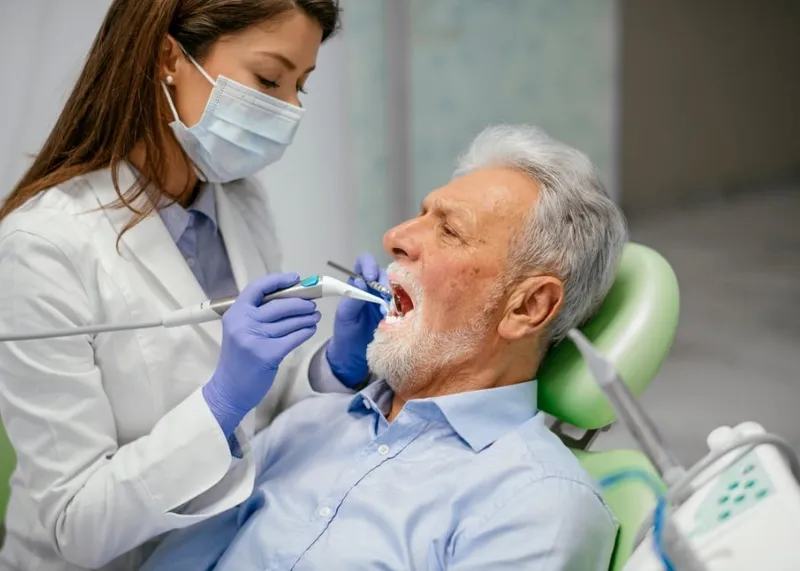
First Visit: Consultation and Examination
The process begins with a comprehensive dental examination, including X-rays and possibly 3D scans, to assess the jawbone's condition and confirm suitability for dental implants.
Second Visit: Preoperative Procedures
If you need preoperative treatments such as bone grafting or a sinus lift to augment the jawbone, they are scheduled at this stage.
Third Visit: Implant Placement
The dental implant is surgically placed into the jawbone during a minor procedure. A healing period of several months (usually 2-5 months) follows, allowing osseointegration, the process where the jawbone fuses with the implant.
The crown cannot be fitted right after implant placement, so foreign patients typically return home during healing and come back to Istanbul for the second stage. On your return, the process continues as follows.
Before the Fourth Visit: Postoperative Healing
During this period the surgical site is monitored to ensure proper healing and successful osseointegration. Consult your doctor if you feel any discomfort or pain, even after you've left Turkey.
Fourth Visit: Abutment Placement
Once the implant has integrated with the jawbone, a small connector called an abutment is attached to the implant. It serves as the foundation for the final crown.
Fifth Visit: Impressions and Temporary Crown
An impression of the abutment and surrounding teeth is taken to create a custom-made crown that fits your mouth exactly. In some cases, a temporary crown is placed while the final crown is fabricated in a dental lab.
Sixth Visit: Final Crown Placement
Once ready, the final crown is securely attached to the abutment, completing the implant restoration.
What Does the Term “Hollywood Smile” Mean?
A "Hollywood smile" describes the perfect, bright, flawless teeth associated with movie stars: perfectly aligned, white, and symmetrical teeth that create a radiant, aesthetically pleasing appearance. Achieving one usually combines several cosmetic procedures, including teeth whitening, porcelain veneers, dental crowns, orthodontic treatment, gum contouring, dental implants, and composite bonding.

Dental treatments serve both aesthetic and health purposes, and many procedures address both at once. The right doctor guides you ethically and does not recommend unnecessary treatment on aesthetic grounds alone. Health concerns and aesthetic concerns should go hand in hand for a comfortable, lasting result.
A perfect smile is also subjective: what counts as ideal in one context may not in another. Work with a skilled cosmetic dentist who tailors the plan to your facial features and smile goals. And whatever cosmetic work you have done, good oral hygiene and regular check-ups remain crucial for long-term oral health and the longevity of the results.
In short, dental care in Istanbul pairs a wide range of services with accredited clinics, well-trained professionals, and costs far below most Western countries. Compare clinics carefully, ask about implant brands and crown types, and plan your trip around the two-stage treatment timeline.
This article is not authored by a medical professional; however, it provides a concise overview of various medical procedures sourced from academic papers within the field of medicine. While it does not substitute for expert medical advice, it offers a valuable summary of the information found in scholarly literature, making it a useful resource for those seeking a general understanding of these medical procedures. It is essential to consult with qualified healthcare professionals for in-depth and personalized medical guidance.References:
- “Clinical Periodontology and Implant Dentistry” by Jan Lindhe, Thorkild Karring, Niklaus P. Lang 2003
- “Contemporary Implant Dentistry” by Carl E. Misch DDS MDS Ph.D. (HC) 2007
- Oxford Handbook of Dental Patient Care by Crispian Scully, Athanasios Kalantzis Series: Oxford Handbooks Series Publisher: Oxford University Press, USA, Year: 2005